Fritt Ord's web site blocked in China in advance of Tibet seminar
Press release 29. november 2012
NEWS & ICT REPORTS, International Campaign for Tibet, Washington, D.C.:
Norwegian website blocked in advance of Tibet meeting featuring ICT
By mriehl
Created 11/28/2012 – 12:24
International Campaign for Tibet
28 November, 2012
The website of a Norwegian organisation dedicated to freedom of expression has been blocked in China in advance of a Tibet program on Thursday (November 29) featuring a speaker from ICT. This latest incident of censorship occurs two weeks ahead of the Nobel Peace Prize ceremony in Oslo, this year to be awarded to the European Union after Chinese writer Liu Xiaobo in 2010.
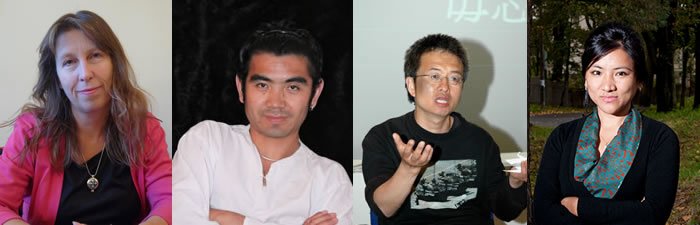
The Fritt Ord organisation based in Oslo said that the link where the live web-cast of the event is posted is now blocked and cannot be accessed in China and Tibet due to filtering of the site by the Chinese authorities. The event features Kate Saunders of ICT and three other speakers Namkho, Dhardon Sharling and Shao Jiang speaking about the self-immolations in Tibet.
Bente Roalsvig, program director of Fritt Ord, the Freedom of Expression Foundation, told Voice of Tibet:
“We have now witnessed 84 self-immolations in Tibet since February 2009. They all tell us in a very tragic way that Tibetans feel a great despair living under the Chinese authorities rule in Tibet.
The Fritt Ord Foundation wants to focus on the situation in Tibet right now, and pose the questions:
Which battles are being fought to preserve Tibetan identity and culture? Which human rights do the Tibetans have living under Chinese authorities’ rule. What can we expect from the new policies of the new political leadership in Beijing?
We will do this in Oslo with our guests Dhardon Sharling, Kate Saunders, Shao Jiang and Namkho, who all have a deep knowledge on Tibet, speaking for free speech, human rights and politics.
The gravity of the Tibetan situation deserves huge attention, so the event will be streamed as live webcast to share the information with an international audience.
There are reasons to believe that Chinese citizens would have taken great interest in seminar.
So we are really sorry that they no longer have this opportunity, as the Fritt Ord web-site www.fritt-ord.no 1, where the link to the live web-cast is posted, now is blocked and can not be accessed in China and Tibet due to filtering of the site by the Chinese authorities.”
Fritt Ord was tipped off about the blockage by Chinese authorities “Golden Shield” filtering regime, and their site can be checked whether available or not at: http://www.websitepulse.com/help/testtools.china-test.html 2.