Norwegian Documentary Photography

August 23 2019

The Norwegian Journal of Photography will be the focal point of the autumn’s premier photography exhibition at the Henie Onstad Art Centre. 23 August 2019 will mark the opening of the exhibition “Norwegian Documentary Photography”, featuring works by all the photographers who have taken part in the four volumes of NJP.
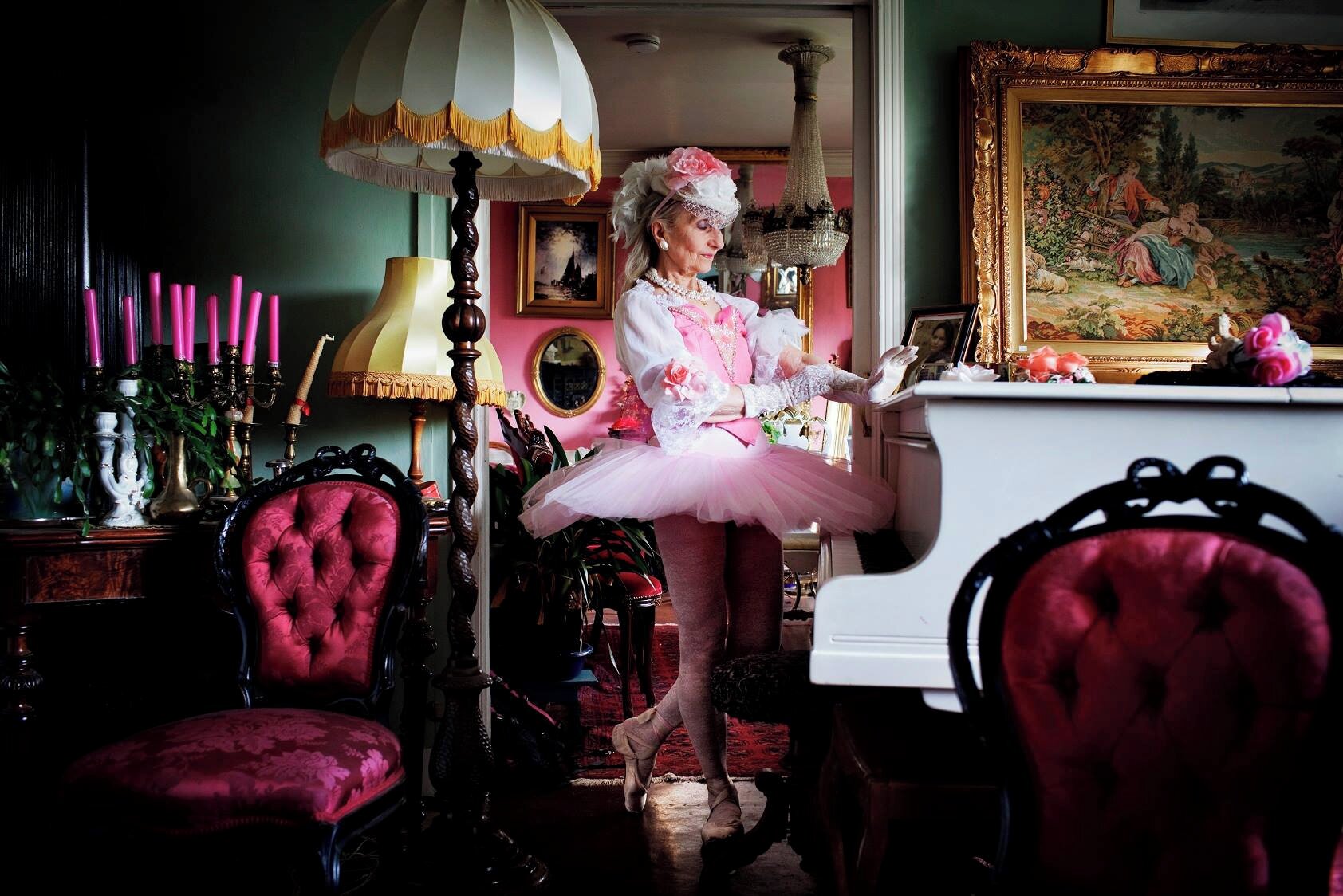
Photo: Karin Beate Nøsterud
Photo: Eirik Brekke

Photo: Tonje Bøe Birkeland

Freedom of expression, current events and photography in the interface between art and documentary will be the focal points of the autumn’s exhibition at the Henie Onstad Art Centre.

Photo: Ulla Schildt

“The Henie Onstad Centre is pleased to have the opportunity to work with Fritt Ord to present photography in a larger perspective. Art and photojournalism are means of expression, and the visual idiom is gaining increasing importance in shaping attitudes and communicating facts”, comments Tone Hansen, director of the Henie Onstad Art Centre.

Norwegian photography is becoming widely recognised internationally, at the same time as the photography community is gaining momentum domestically. For many years, Fritt Ord has maintained a strong focus precisely on strengthening the position of documentary photography in Norway.

“Through its long-term work with NJP, Fritt Ord has laid the foundation for a broader discussion about the power of the image in our time, and the exhibition gives the public a chance to experience this”, adds Hansen.

The exhibition will feature 35 Norwegian photographers who work in the interface between documentary and art photography. All of them have participated in the Norwegian Journal of Photography. Susanne Østby Sæther will curate the show.

The exhibition will run from 23 August 2019 to 5 January 2020.

The 35 photographers are:

Helge Skodvin, Monica Strømdahl, Fred Ivar Klementsen, Damian Michal Heinisch, Therese Alice Sanne, Line Ørnes Søndergaard, Elin Høyland, Katinka Goldberg, Paul S. Amundsen, Ulla Schildt, Tonje Bøe Birkeland, Morten Andersen, Kyrre Lien, Eirik Brekke, Camilla Jensen, Adrian Øhrn Johansen, Tommy Ellingsen, Karin Beate Nøsterud, Rebecca Shirin Jafari, Anne-Stine Johnsbråten, Terje Abusdal, Mathilde Helene Pettersen, Knut Egil Wang, Ivar Kvaal, Jonas Bendiksen, Margaret M. de Lange, Tomm W. Christiansen, Oddleiv Apneseth, Monica Larsen, Marie Sjøvold, Linda Bournane Engelberth, Ingvild Vaale Arnesen, Ellen Lande Gossner, Eivind H. Natvig and Andrea Gjestvang.
Link to the Facebook event.

News

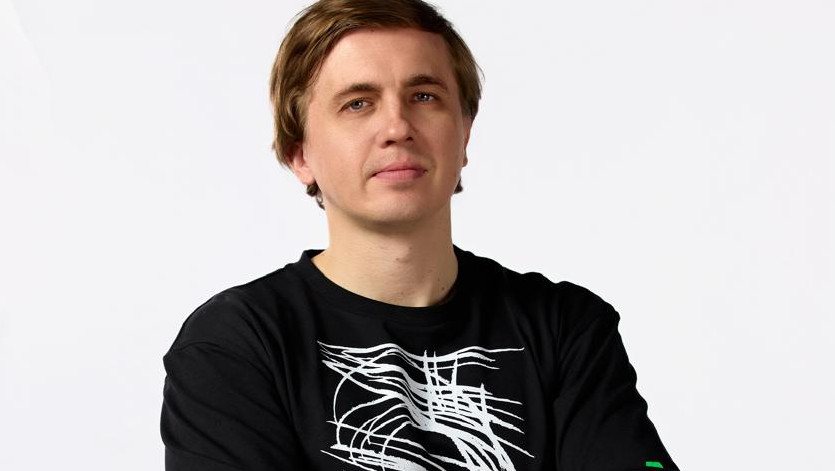
Mykhailo Tkach

Ukrainian, Georgian, Armenian, Russian and Belarusian journalists and media to receive five Free Media Awards for 2026

September 3 2026

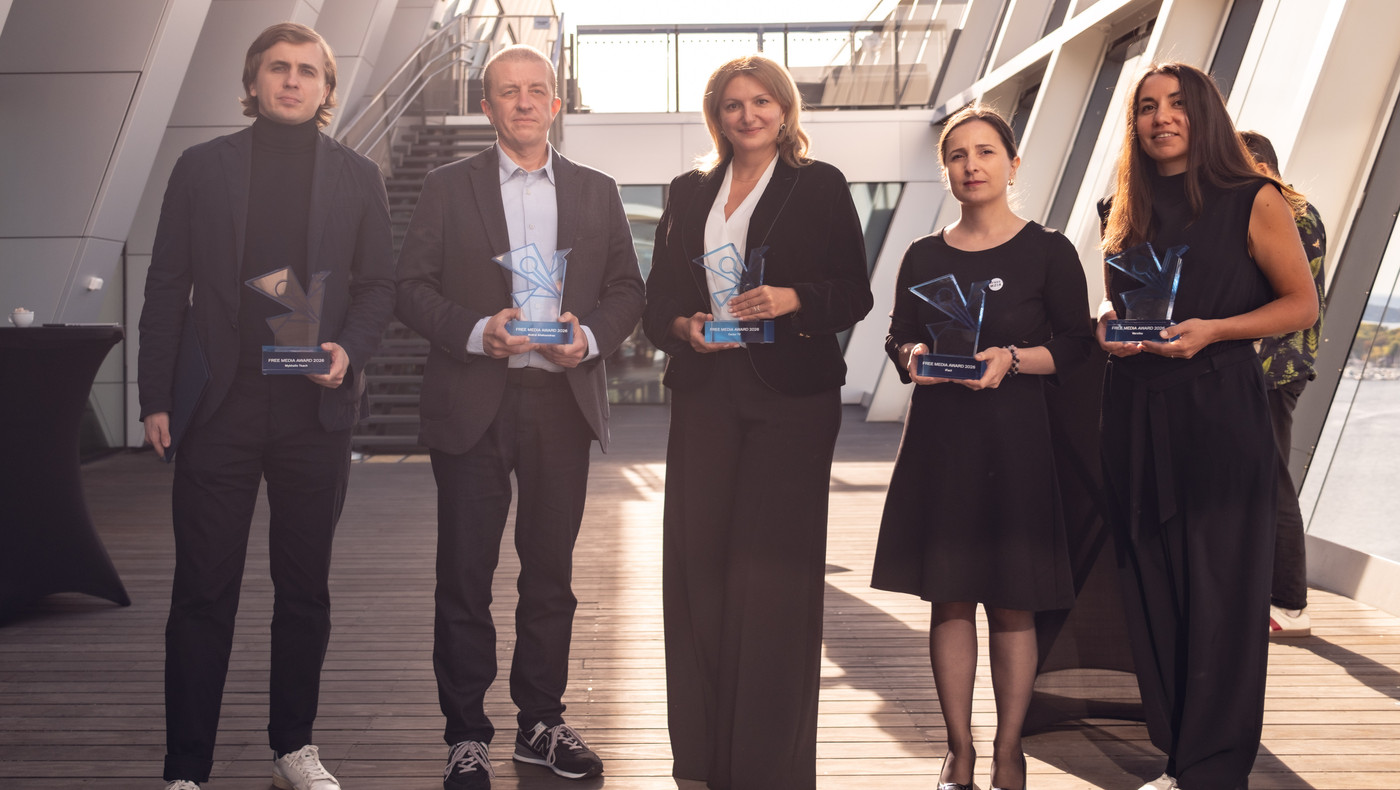
This year’s prize laureates for the Free Media Awards from the Fritt Ord Foundation and Zeit Stiftung Bucerius are:
The investigative journalist Mykhailo Tkach from Ukraine
The investigative media outlet iFact from Georgia
The online media Factor TV from Armenia
The online media Verstka from Russia (in exile)
The journalist and media director Andrei Aliaksandrau from Belarus (imprisoned)

Fritt Ord's grants for master’s degrees

August 30 2026

Is your master’s project about freedom of expression, social debate or journalism? If so, you can apply for a student grant from the Fritt Ord Foundation.

The Freedom of Expression Foundation Tribute 2026

August 18 2026

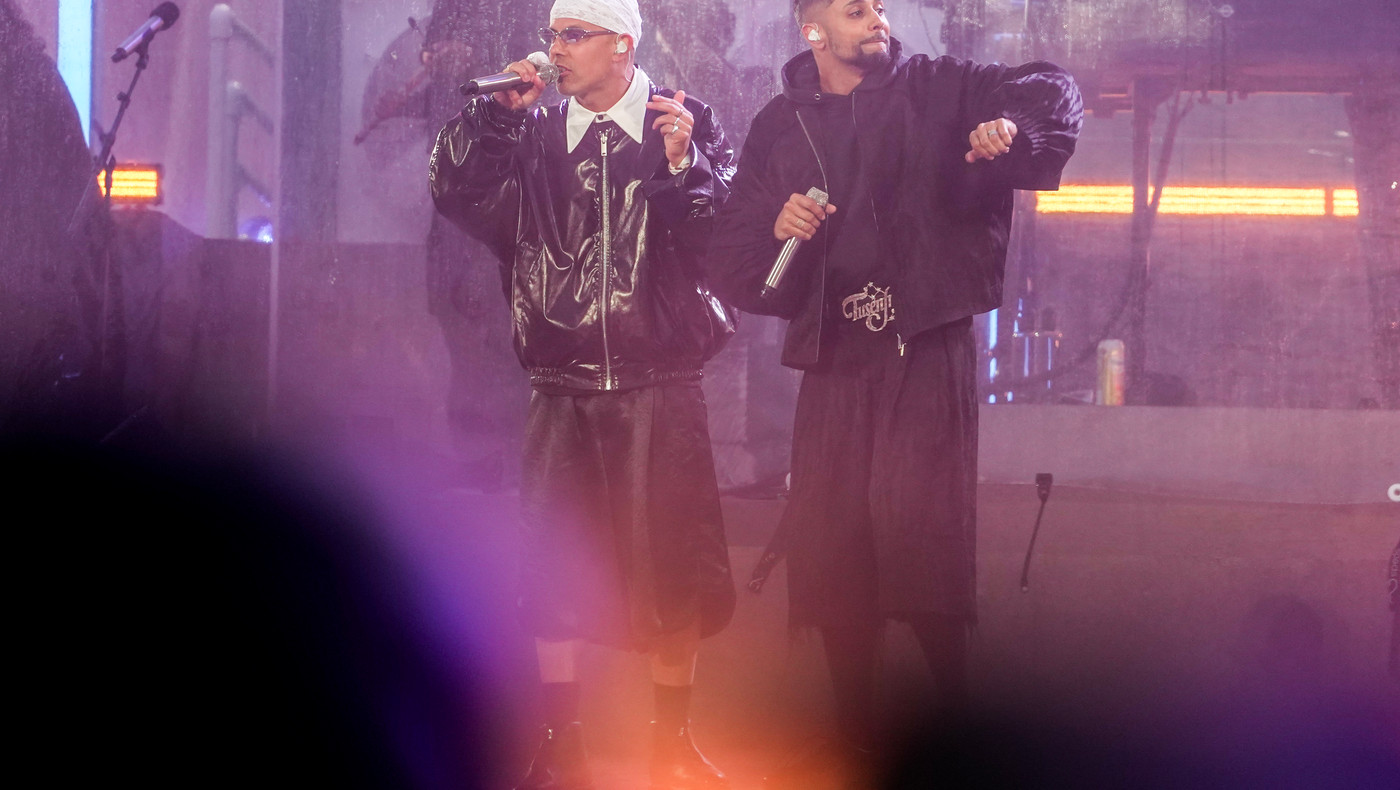
The rap duo Karpe has been awarded the Freedom of Expression Foundation Tribute for giving voice to the experiences of many young people from minority backgrounds. Through the language of rap, they are expanding the space for the expression of identity and belonging.

The 2025/26 Monitor survey

June 17 2026

The Fritt Ord Foundation and the Institute for Social Research (ISF) invite you to the launch of a report and a subsequent discussion on Monday, 8 June 2026, from 9.00 to 11.00 am, at Fritt Ord’s premises at Uranienborgveien 2 in Oslo.

Where do people draw the line when it comes to freedom of expression, and what do they believe to be the greatest threats to an informed debate at a time characterised by unrest, crises and international conflicts? Do they feel there is sufficient diversity of opinion and enough room for divergent viewpoints? And how do people assess access to truthful and relevant information in a media landscape featuring new formats, new voices and artificial intelligence?