Prize laureate Mehman Huseynov abducted and illegally imprisoned
On Monday, 9 January 2017, photo and video journalist Mehman Huseynov was kidnapped on the streets of Baku and held by Azerbaijani authorities for 19 hours. During those hours, he was harshly beaten, forced to sign documents and then drugged. This report comes from the Azerbaijani human rights organisation, the Institute for Reporters’ Freedom and Safety (IRFS). IRFS strives to improve conditions for free and independent journalism in Azerbaijan. They vehemently condemn the violent acts against Huseynov, who has been chair of the organisation’s Board since 2016.
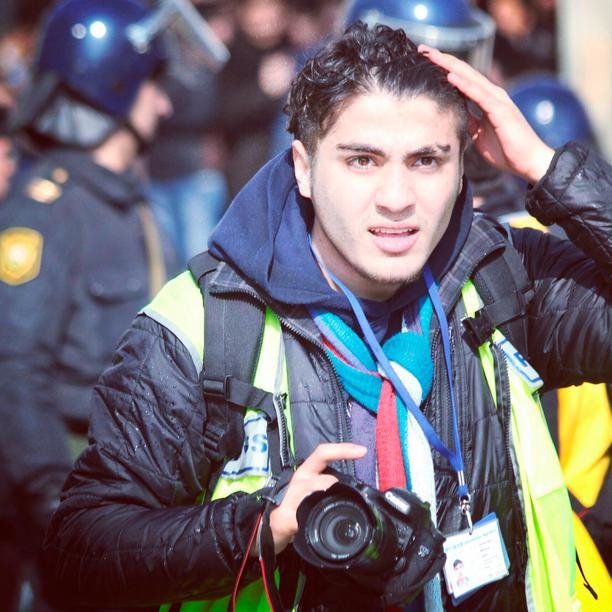
Huseynov is currently working on a project entitled “Hunt for Corrupt Officials”, a series of video reports in which he is investigating the private finances of the country’s elected officials. IRFS suspects that the attack on Huseynov was a reaction to this investigative project.
Huseynov is a blogger, photojournalist and human rights activist. He publishes on several different social media, and his accounts have a large number of followers, especially among younger people. He is also editor-in-chief of the Internet medium SANCAQ. He often reports on cases of corruption and breaches of human rights in Azerbaijan. Huseynov has been arrested repeatedly earlier, and accused of violating the law due to his articles and reports.
In 2013, Huseynov was awarded one of the Fritt Ord Foundation’s and the ZEIT Foundation’s press prizes for his courageous journalism. Before receiving the distinction, he had documented the forced migration of neighbourhoods and the demolition of homes in connection with the Eurovision Song Contest in Baku in 2012. At that time, he was banned from leaving the country by the Azerbaijani authorities, and he was unable to attend the awards ceremony.
“Refusing to allow Mehman Huseynov to come to Oslo to accept the Press Prize is an example of how Azerbaijani authorities oppress free speech and the work of human rights activists in their country”, proclaimed Maria Dahle, head of the Human Rights House Foundation, at the time.
Huseynov is one of several Azerbaijani journalists who have been subject to reprisals for their journalism. Fritt Ord has previously written about Azerbaijani authorities’ treatment of Kadija Ismayilova, who was awarded the Fritt Ord Foundation’s and ZEIT Stiftung’s Press Prize in 2012.