Conspiracy theories about and among Muslims
The Fritt Ord Foundation’s project “Islam in Norway” invites the public to a debate meeting about conspiracy theories, including both those about Muslims and those that exist in parts of the Muslim population. The meeting will be held at the House of Literature on Wergelandsveien 29 in Oslo, from 6 – 7 p.m. on Thursday, 13 June 2019.
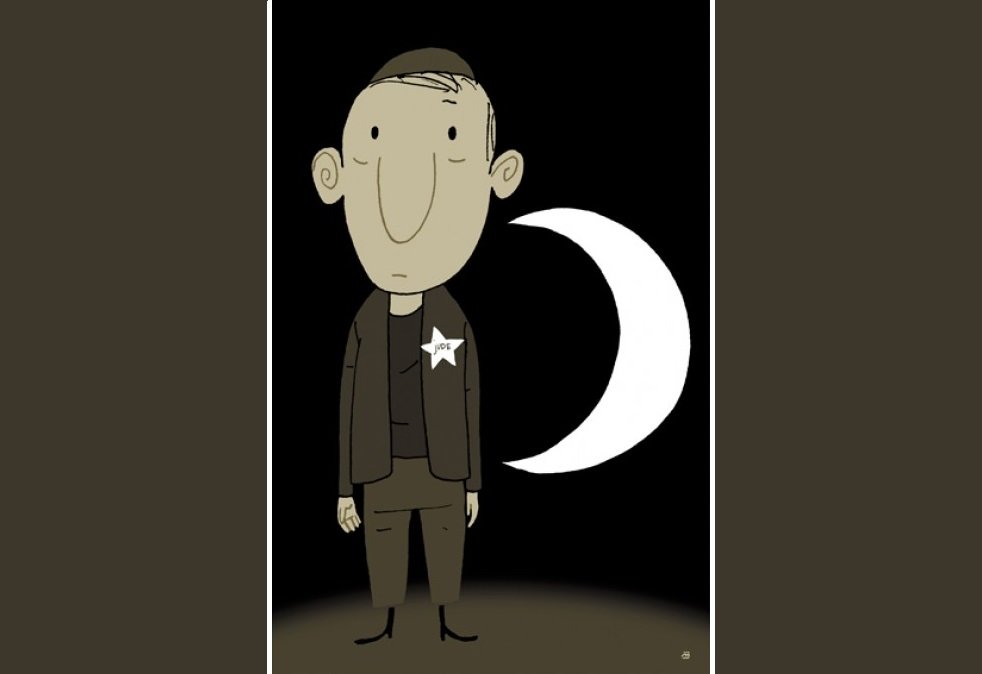
When are conspiracy theories dangerous, and who has an interest in propagating them? Conspiracy theories can serve to undermine our trust in one another. What mechanisms help spread and exacerbate conspiracy theories? What conspiracy theories have gained a ground and spread through Muslim communities, and what are they about? How prevalent are thoughts of conspiracy among the general public otherwise?
Speech and debate with Saira H. Basit, vice-dean at the Norwegian Defence Academy, Lars Gule, associate professor at OsloMet, Linda Noor, managing director of Minotenk, and Mohamed Abdi, trained teacher, social commentator and writer.
The moderator is Yama Wolasmal, journalist and programme host for NRK, the Norwegian Broadcasting Corporation.
Programme:
Welcome by Grethe Brochmann, Chair of the Board of the Fritt Ord Foundation
Brief introduction by the moderator Yama Wolasmal
Speakers:
Saira H. Basit: Conspiracy theories and International Conflicts
Lars Gule: Conspiracies, conspiracy theories and extremism
Panel discussion with Saira H. Basit, Lars Gule, Linda Noor and Mohamed Abdi
The meeting is free of charge and open to the public. Welcome!
Link to Facebook event.
About the series of meetings “Islam in Norway”:
The Fritt Ord Foundation has taken the initiative for a series of dialogue meetings on the topic of Islam in Norway. Fritt Ord invites the public to the dialogue meetings and a programme committee, consisting of Hawa Muuse, Sylo Tarak, Usman Asif and Linda Noor, prepares the themes and programmes for the meetings. The goal is to contribute to discussions about timely and relevant questions related to Islam that rise above personal convictions and religious positions. The invitation to the meetings is extended to a wide variety of participants, Muslims and non-Muslims alike, who have a special interest in discussing Islam in Norway.
Update: The event has now been published on the Fritt Ord YouTube channel