Digital threats to journalism
OsloMet and Fritt Ord invite the public to a debate on the importance of digitisation for journalism, on Wednesday, 6 November 2019, from 6 p.m. to 8 p.m. at Fritt Ord’s premises at Uranienborgveien 2, Oslo.
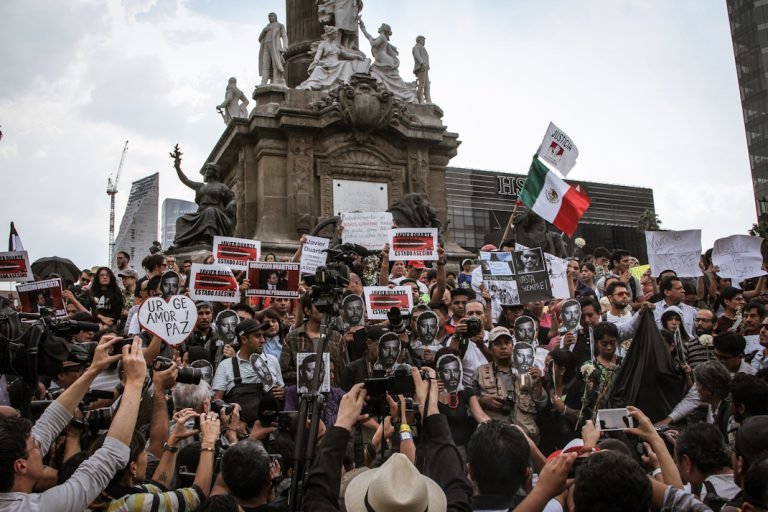
The seminar will highlight the all-encompassing digitisation of society. This development trend gives journalists new opportunities for research, reporting and international cooperation, but it also means the tracking of information, digital footprints and weaker protection of personal privacy and of sources. Technology as a tool for control and surveillance exposes journalists and editors to genuine risk – in the worst case life-threatening – when it falls into the wrong hands. Recent years have shown that “the wrong hands” may prove to be oppressive regimes, or precisely the individuals and groups that the editorial boards are writing about.
When journalists’ digital safety is jeopardised, access to good, reliable journalism is undermined.
Welcome to hear speeches and a panel discussion featuring Norwegian and international experts: Guy Berger, Neena Kapur, Leandro Demori and Osman Kibar.
Guy Berger is Director for Freedom of Expression and Media Development at Unesco. He comes from a long background as a journalist in the South African press.
Neena Kapur is security analyst for the New York Times, where she develops systems to fight digital threats against journalists and editorial boards.
Leandro Demori is editor of Intercept Brazil, an online news publication dedicated to resistance journalism and intended to hold strong fractions from the authorities and business and industry accountable.
Osman Kibar is a journalist in the financial daily Dagens Næringsliv and writes about new technology from a social and political perspective, not least in the fields of cyber security, hacking, data protection and surveillance.
Journalist and author Heidi Taksdal Skjeseth will be moderator.
Programme
- 6.00–6.05 p.m.: Welcoming remarks by Knut Olav Åmås, Executive Director of the Fritt Ord Foundation
- 6.05–6.20 p.m.: Guy Berger, Director for Freedom of Expression and Media Development at Unesco
- 6.20–7.30 p.m.: Panel discussion with Neena Kapur, security analyst at the New York Times, Leandro Demori, editor at Intercept Brazil, and Osman Kibar, journalist at the financial daily Dagens Næringsliv.
There will be time for discussion afterwards when light refreshments will be served.
The event will take place in English. It is free of charge and open to the public. Read more about the event on Facebook.