Freedom of Expression Foundation Tribute to Ella Marie Hætta Isaksen
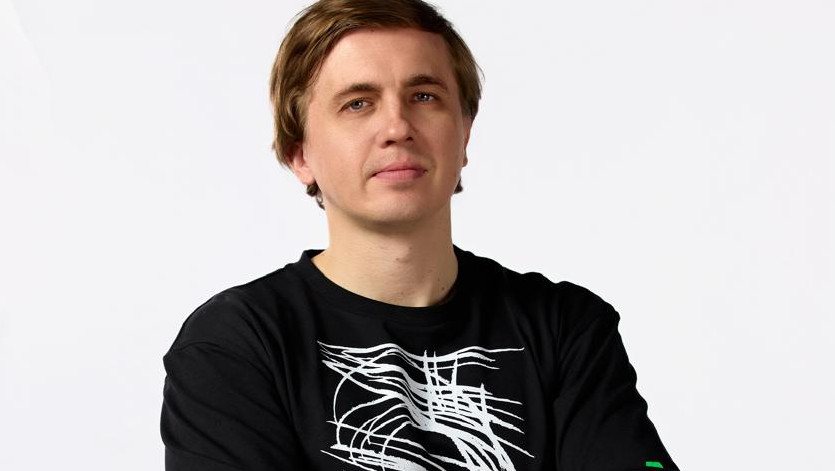
The Freedom of Expression Foundation Tribute is awarded to actor and activist Ella Marie Hætta Isaksen (24) for her efforts to protect a minority and the indigenous rights of the Sámi.
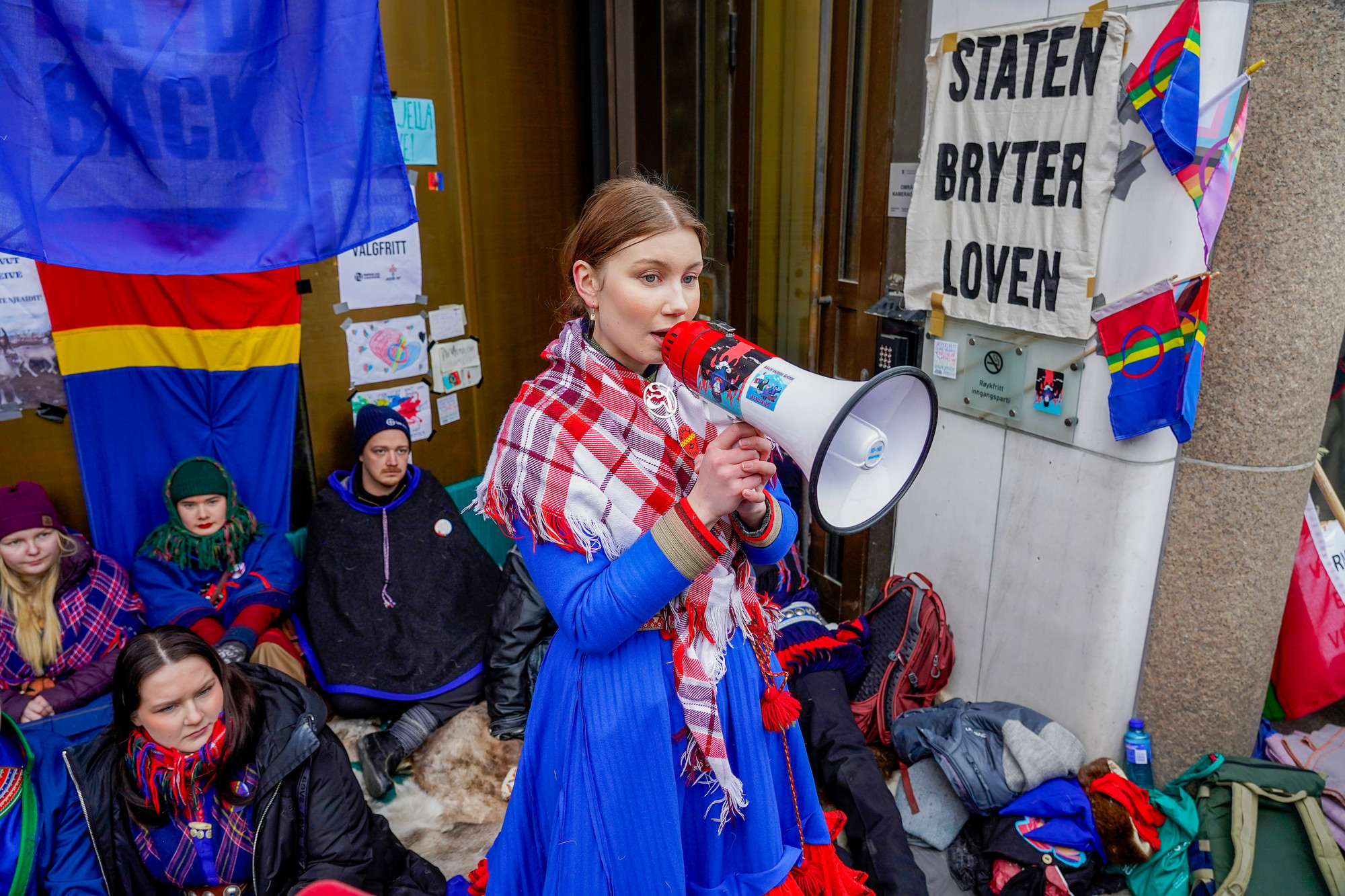
She was one of the leaders of the peaceful demonstrations of civil disobedience in Oslo in February/March, protesting the Norwegian government’s failure to follow up the Supreme Court judgment on the wind turbines at Fosen in Trøndelag County. Artist and activist Isaksen has become a strong symbol of the resurgence of the fight for indigenous rights in Norway, 40 years after the Alta demonstrations.
“This struggle first came to light in Sámi art and culture, leading to greater awareness of indigenous rights among the general public, especially young people. In this context, Isaksen has been a key figure in bringing together culture, activism and efforts to protect a minority and indigenous rights in ways that have reached an exceptional number of people. She has sparked important social debates and reflection processes”, according to Grete Brochmann, Chair of the Fritt Ord Board.
Musician and documentary filmmaker
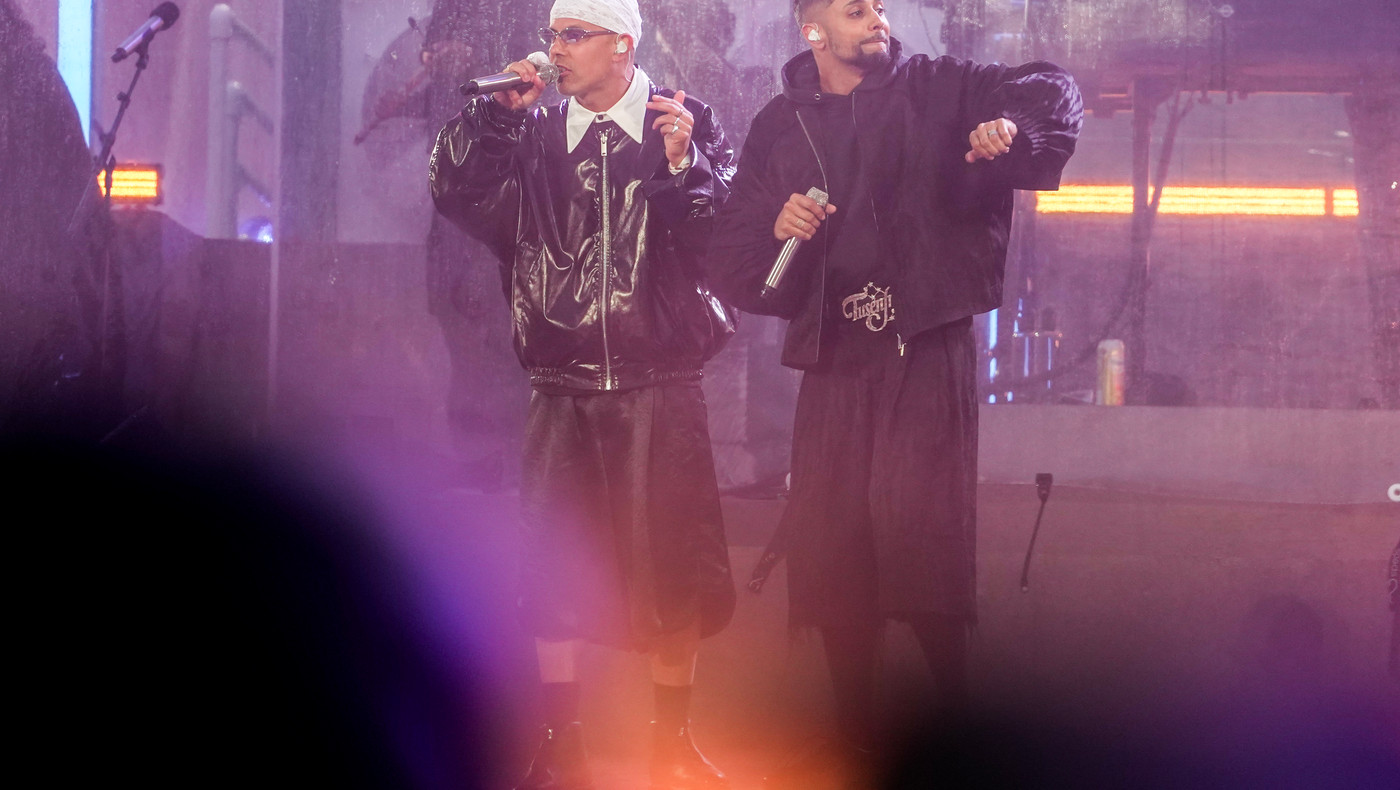
Isaksen has been a prominent musician and activist for nearly a decade. In 2016, she won the Sámi Grand Prix, in 2017, Liet International, and, in 2018, the Norwegian Broadcasting Corporation’s ‘Battle of the Stars’. Since 2017, she has been the leader and vocalist in the synth pop band ISÁK, which has attracted national and international attention.
Ella Marie Hætta Isaksen plays a leading role in the new feature film now in theatres, entitled ‘Ellos Eatnu – Let the river live’ (2023), about the Alta controversy. She played the protagonist in the documentary film “Rahcan – Ella’s rebellion”, released in 2022, allowing insight into her prolonged efforts as a Sámi environmental activist, not least in the Repparfjord case. In 2021, she published the book “This is why you need to know that I am a Sámi, about her struggle against Norwegianification and discrimination.
The awards ceremony
The tribute will be awarded to Ella Marie Hætta Isaksen at the Fritt Ord Foundation’s premises in Uranienborgveien 2 in Oslo, at 10 a.m. on Thursday, 30 March.
The Freedom of Expression Foundation Tribute consists of the sum of NOK 100 000. This recognition is awarded by the Fritt Ord Foundation’s Board for invaluable activities in the service of free speech, often in connection with current issues. Fritt Ord also awards the Freedom of Expression Foundation Prize each year.