Open debate and discussion: Male roles in Muslim communities
Fritt Ord’s project ‘Islam in Norway’ invites the public to an open debate and discussion on male roles in Muslim communities, with a special focus on the situation of boys. The event will be held on Thursday, 9 November 2023, from 6 to 7.30 p.m. in ‘Skramsalen’ at the House of Literature, Wergelandsveien 29, Oslo.
What expectations are inherent in male roles in Muslim communities? How are those who violate or fail to live up to these expectations met? Cultural differences, ethnicity, religion and racism – is Norwegian society capable of ensuring equal opportunities for all, regardless of background? How do international conflicts, such as the war in the Middle East, impact feelings of exclusion? Why is it important in some Muslim communities to exercise more social control over girls than boys, and what consequences does this have for boys in terms of growing up and child rearing? What can be done to improve the situation for Muslim boys who struggle with not living up to their potential at school, as well as with exclusion and being subjected to cultural cross-pressures?
Figures like Jordan Peterson and Andrew Tate have thrown their support behind popular Muslim influencers like Mohammed Hijab and Ali Dawah, joining forces against LGBTQI+ and feminism. How do they affect attitudes towards women and gays among Muslim boys and men? How much room for manoeuvre and acceptance is there for gender diversity in Muslim communities, especially for boys/men? What role do mosques play in shaping male roles?
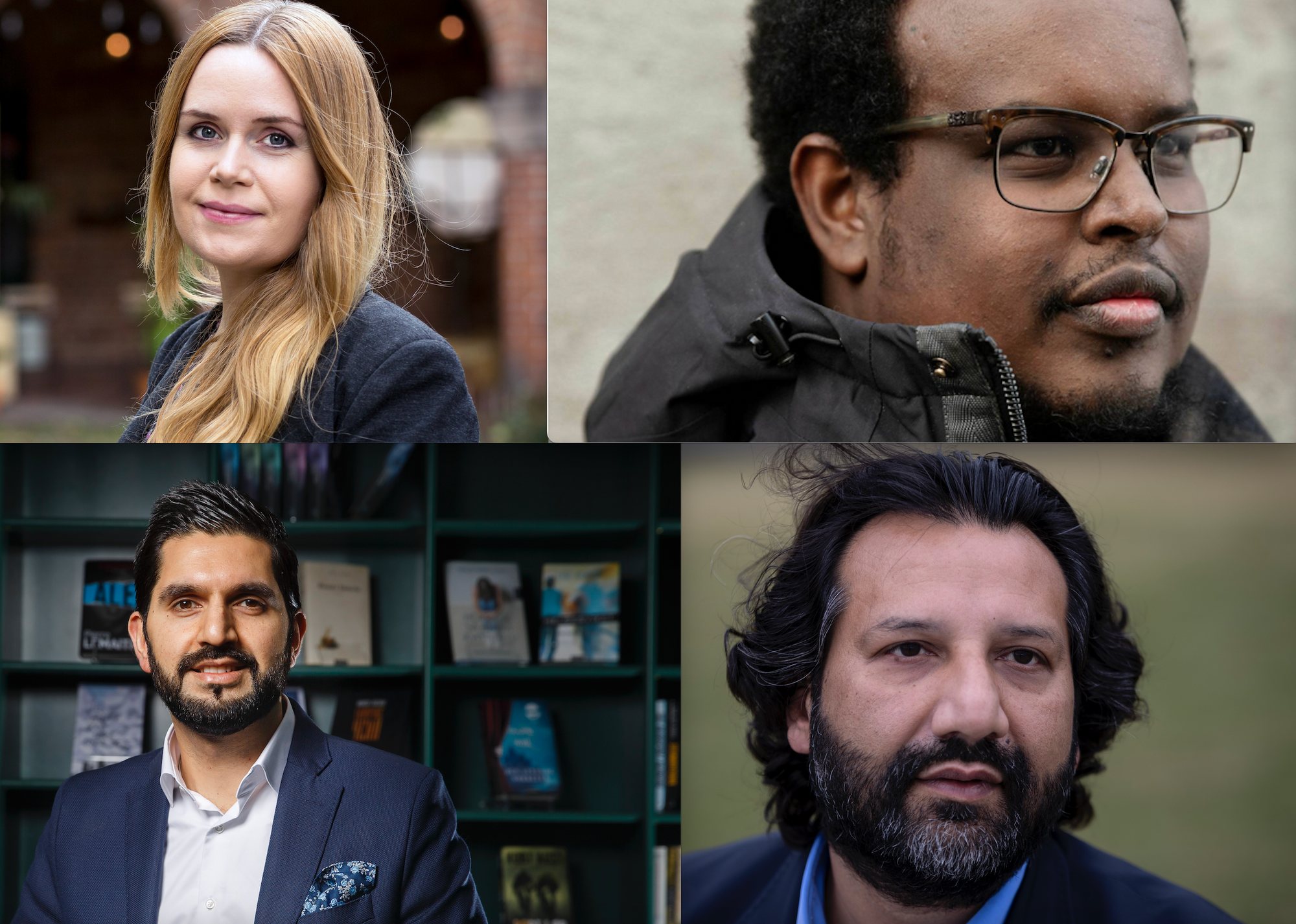
Discussion between Usman Rana, chairman of the Wasila think tank and columnist in Morgenbladet, Shazia Majid, author, journalist and commentator in VG, and Mohamed Abdi, teacher and writer.
The meeting will be chaired by Kadafi Zaman, a journalist in TV2.
The meeting has free admission and is open to all. Welcome!
The Fritt Ord Foundation has initiated a series of meetings on the topic of Islam in Norway. Fritt Ord invites the public to these meetings, and a programme committee consisting of Hawa Muuse, Linda Noor and Usman Asif prepares the topics and programmes. The aim is to contribute to discussions on current social issues related to Islam, spanning across a range of personal convictions and religious views.
Previous meetings
- ‘The struggle for freedom in Islam – freedom of expression and the development of democracy (2021)
- ’Racism, freedom of expression and Islam (2020)
- ‘Muslim hatred (2019)
- ‘Conspiracy theories’ (2019)
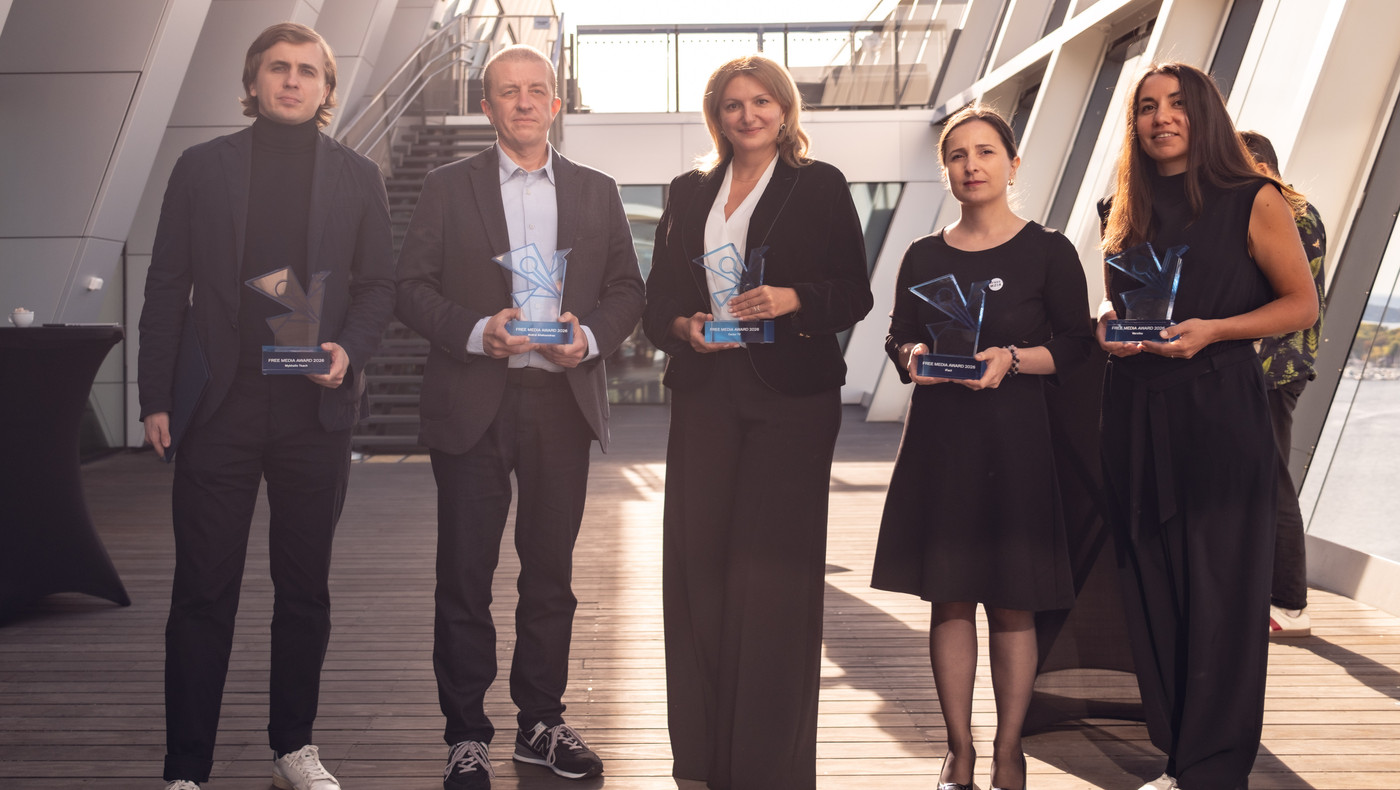
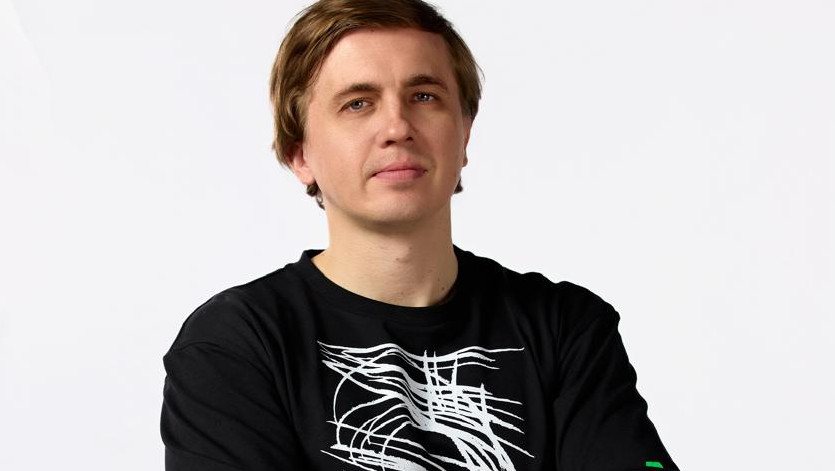
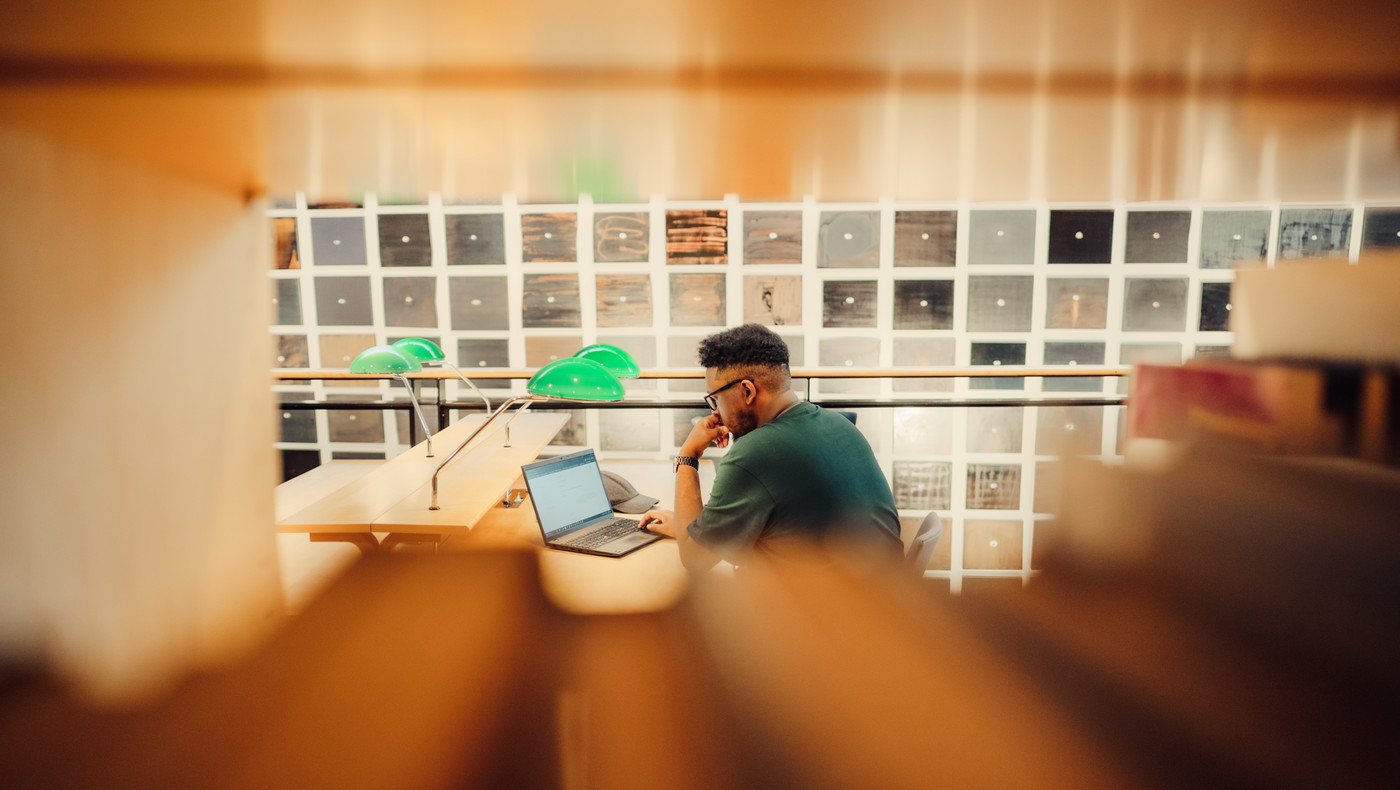
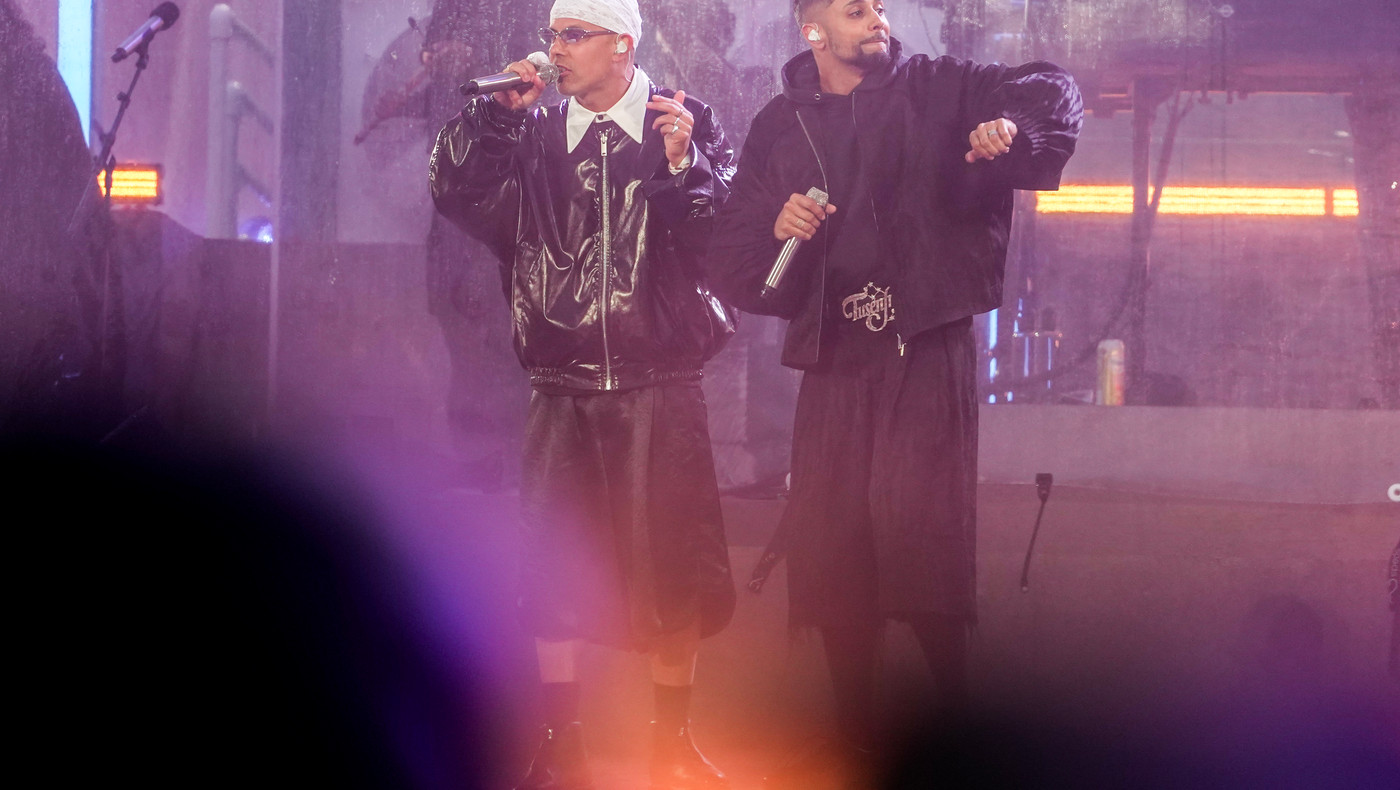
Photo: Top left, Sofie Amalie Klougart/Morgenbladet, bottom left Heiko Junge/NTB, top right, Terje Bendiksby/NTB, and bottom right, Hallgeir Vågenes/NTB.