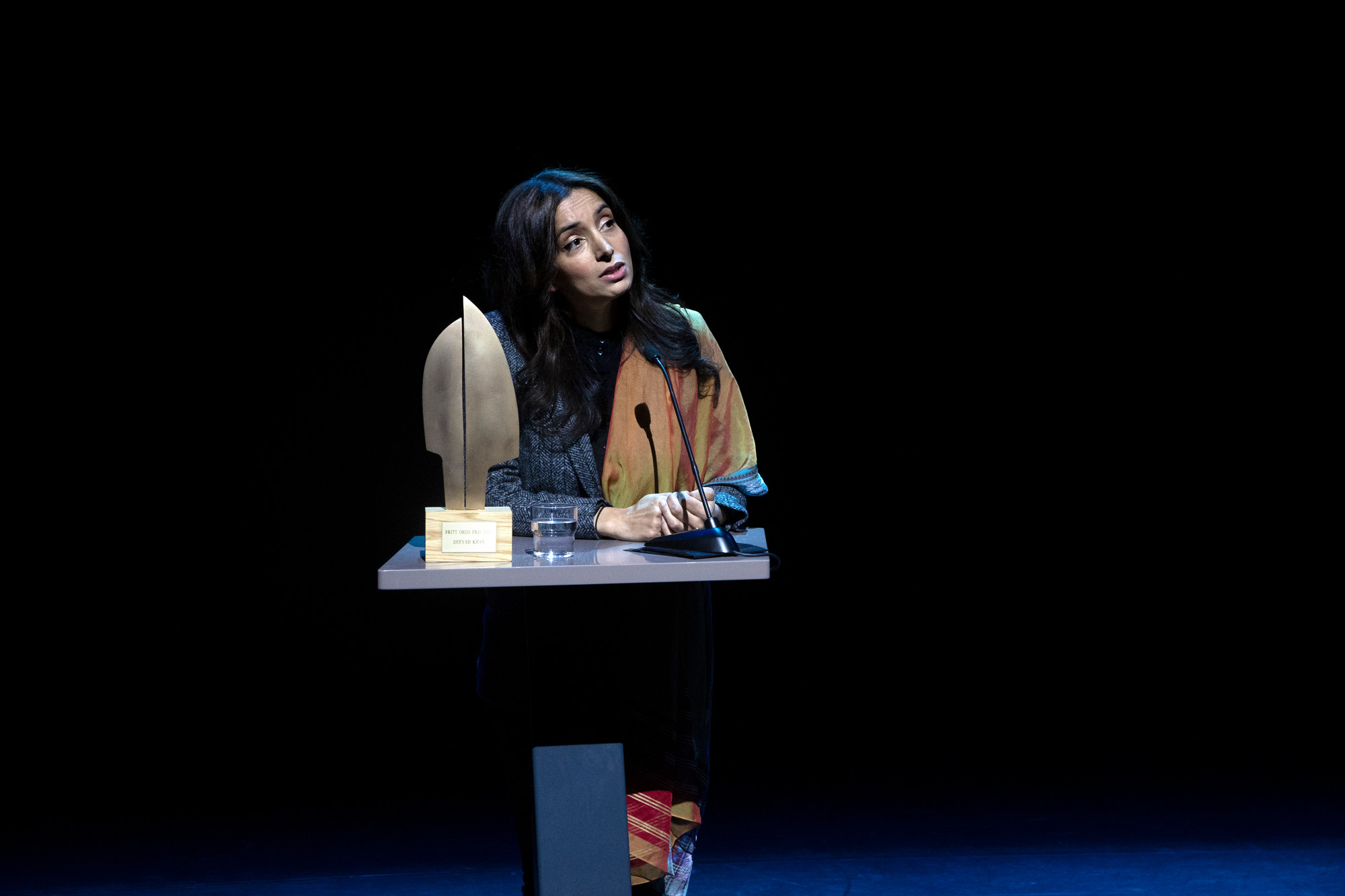
Deeyah Khan's acceptance speech upon receiving the Fritt Ord Foundation Prize for 2020

November 24 2021

On Tuesday, 23 November 2021, Deeyah Khan received the Fritt Ord Foundation Prize for 2020. In her speech at the Opera House, she discussed the power inherent in engaging with people whose opinions differ from one’s own.

See the recording of Deeyah Khan’s acceptance speech here:

There is a video here

To view it, you must first accept cookies. You can withdraw your consent at any time at the bottom left of our pages.

News

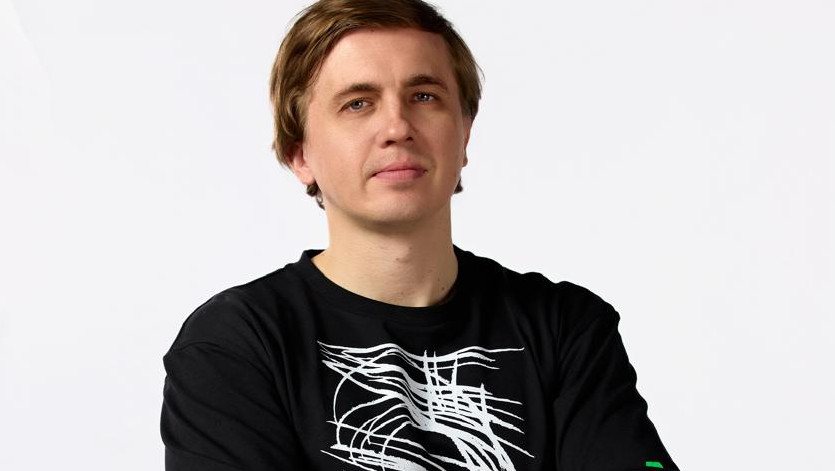
Mykhailo Tkach

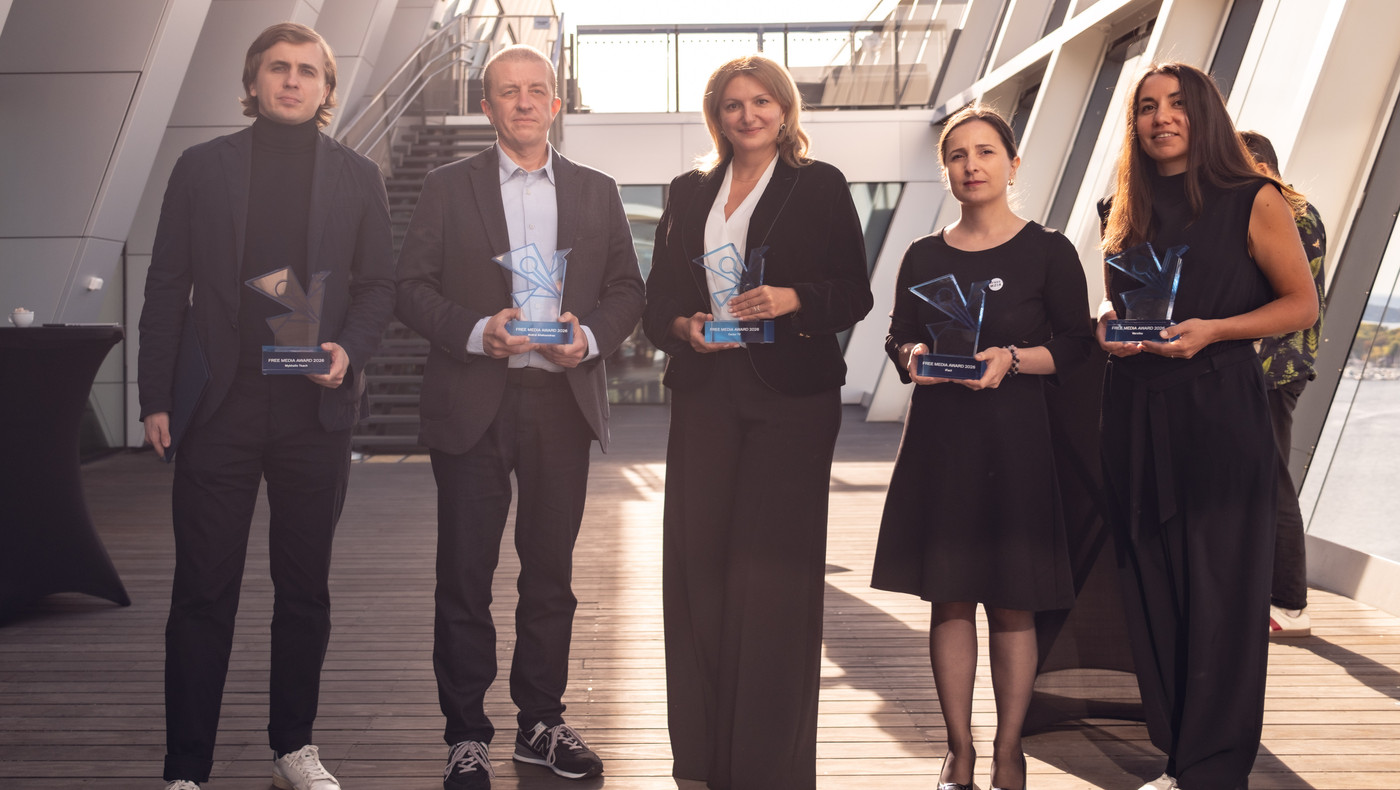
Ukrainian, Georgian, Armenian, Russian and Belarusian journalists and media to receive five Free Media Awards for 2026

September 3 2026

This year’s prize laureates for the Free Media Awards from the Fritt Ord Foundation and Zeit Stiftung Bucerius are:
The investigative journalist Mykhailo Tkach from Ukraine
The investigative media outlet iFact from Georgia
The online media Factor TV from Armenia
The online media Verstka from Russia (in exile)
The journalist and media director Andrei Aliaksandrau from Belarus (imprisoned)

Fritt Ord's grants for master’s degrees

August 30 2026

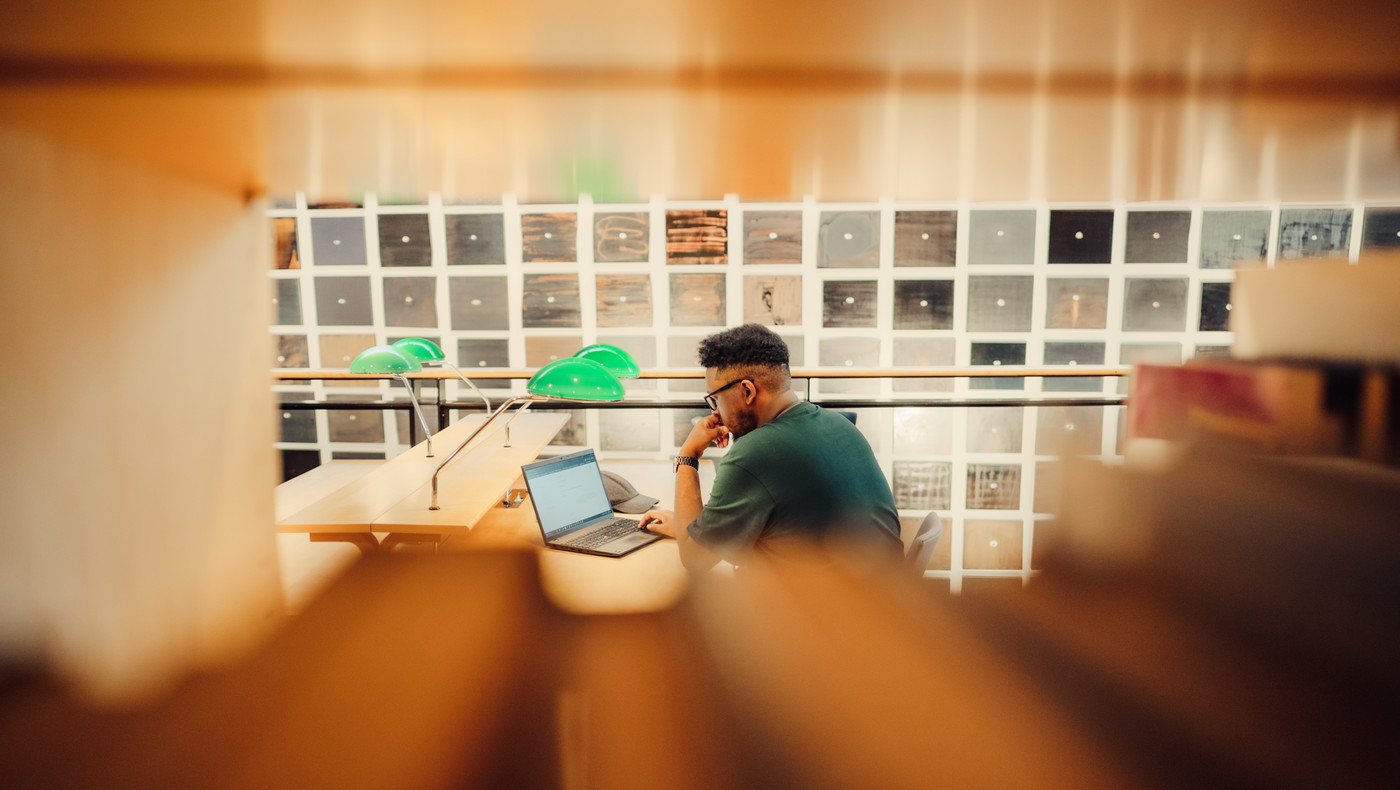
Is your master’s project about freedom of expression, social debate or journalism? If so, you can apply for a student grant from the Fritt Ord Foundation.

The Freedom of Expression Foundation Tribute 2026

August 18 2026

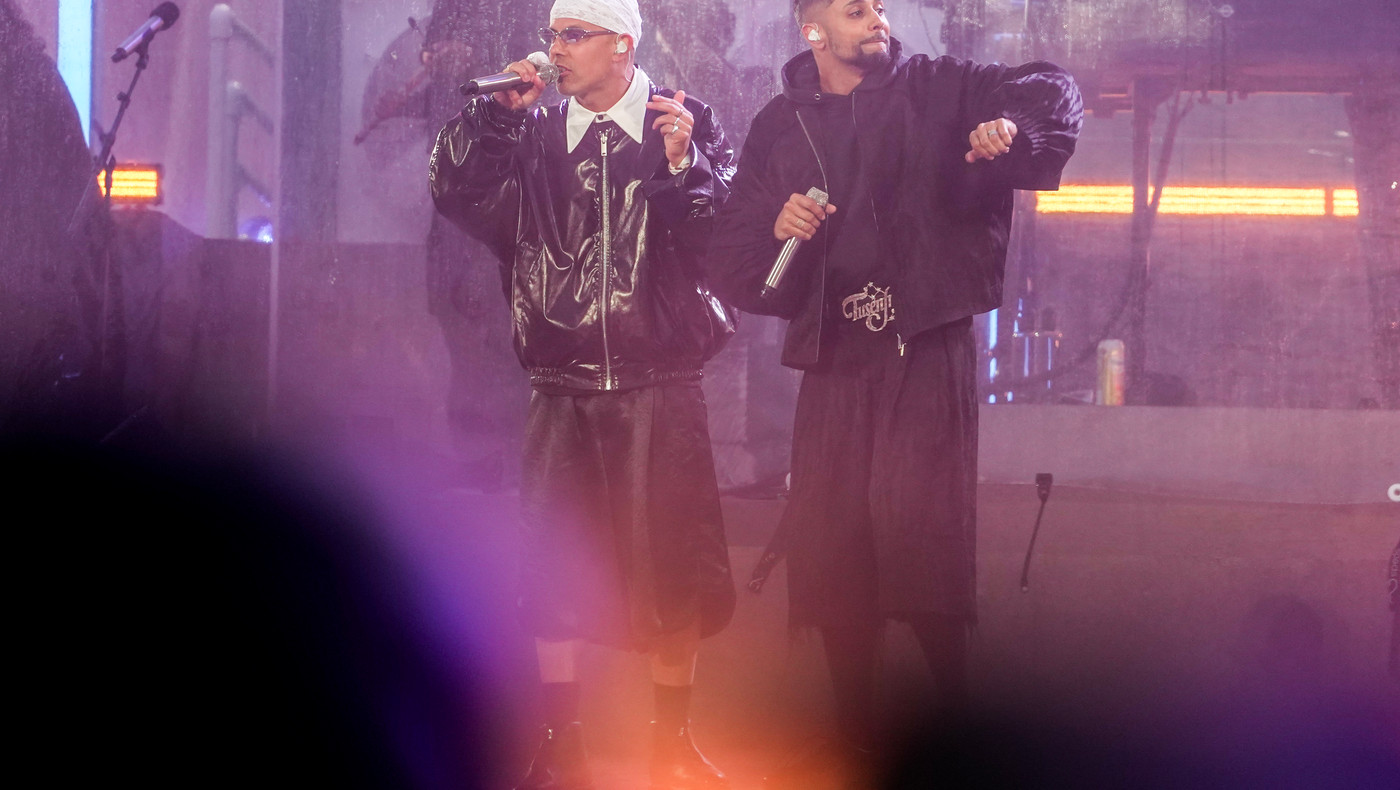
The rap duo Karpe has been awarded the Freedom of Expression Foundation Tribute for giving voice to the experiences of many young people from minority backgrounds. Through the language of rap, they are expanding the space for the expression of identity and belonging.

The 2025/26 Monitor survey

June 17 2026

The Fritt Ord Foundation and the Institute for Social Research (ISF) invite you to the launch of a report and a subsequent discussion on Monday, 8 June 2026, from 9.00 to 11.00 am, at Fritt Ord’s premises at Uranienborgveien 2 in Oslo.

Where do people draw the line when it comes to freedom of expression, and what do they believe to be the greatest threats to an informed debate at a time characterised by unrest, crises and international conflicts? Do they feel there is sufficient diversity of opinion and enough room for divergent viewpoints? And how do people assess access to truthful and relevant information in a media landscape featuring new formats, new voices and artificial intelligence?