Free Media Awards for 2026. Press freedom under pressure in wartime: – Silence does not protect democracy
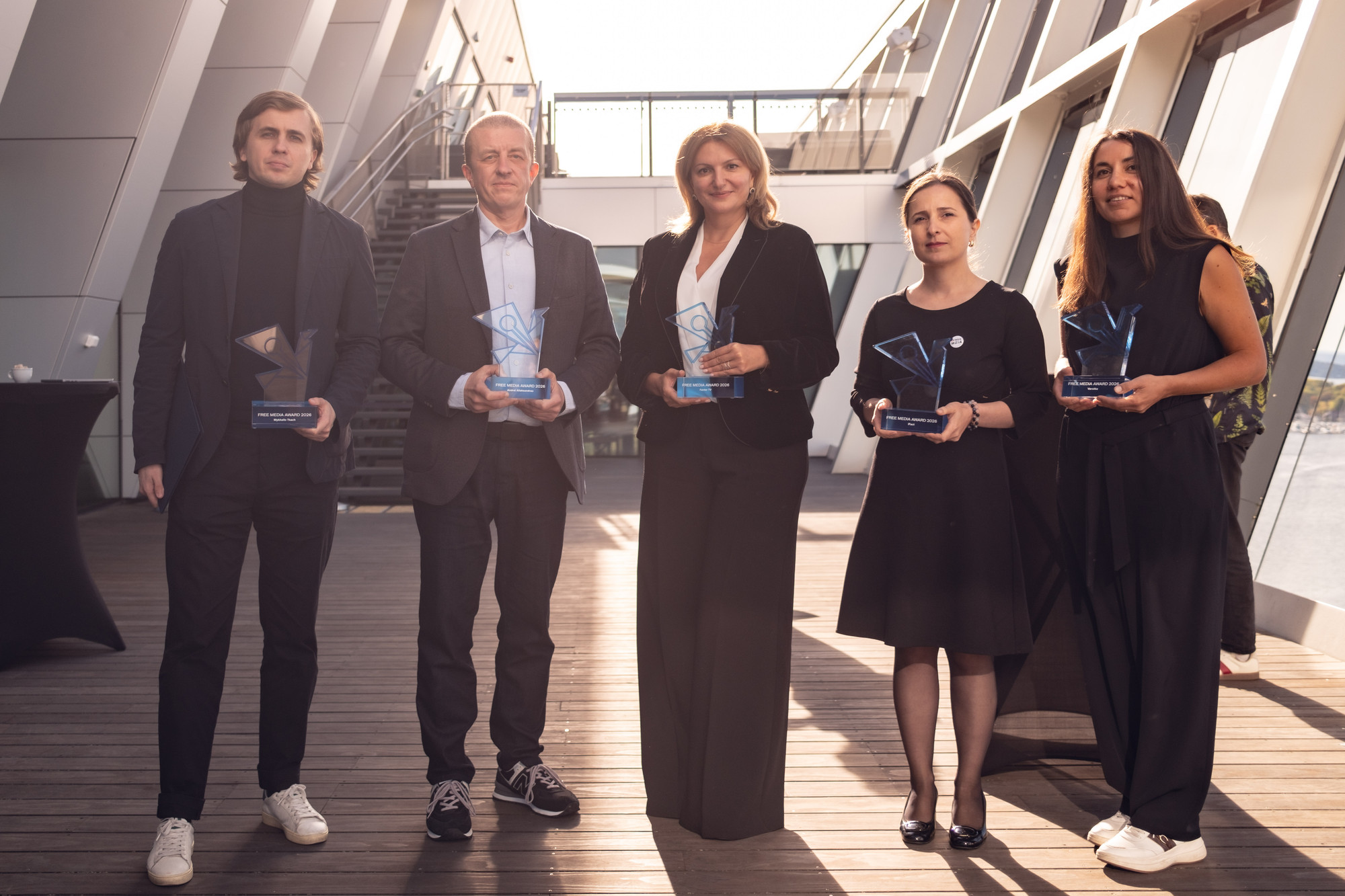
This year’s winners of the Free Media Awards from the Fritt Ord Foundation and Zeit Stiftung Bucerius received their awards in Toppsalen at the Munch Museum in Oslo on 29 September 2026.
The Belarusian journalist and media manager Andrei Aliaksandrau came straight to Oslo after spending over five years in prison for his work. Aliaksandrau dedicated the award to imprisoned journalists and editors in Belarus and quoted the Liverpool FC anthem: “You’ll never walk alone”.
Mykhailo Tkach heads investigations at Ukrainska Pravda, which uncovers corruption, even in a Ukraine fighting an existential war against Russia.
– I face charges in at least thirteen cases related to my work. I have been threatened. My team has been threatened. And what is our answer? To keep digging. Silence does not protect democracy. Journalism does.
A filmatic summary of the award ceremony
See and hear the the speeches here:
– Journalism is gathering facts, checking them as best we can and distinguishing facts from propaganda. Fifteen of my colleagues are still in prison. I accept this award on behalf of them, said the recently released media manager Andrei Aliaksandrau.
He thanked everyone for the solidarity shown to him while he was in prison.
– It is extremely important. We feel this solidarity and support and it helps us a lot.
– Journalism is gathering facts, checking them as best we can, distinguishing facts from propaganda and giving the audience a fact-based picture of reality.
– Belarusian journalists keep doing that job, even when we live in a really harsh environment, some in detention or exile. Many of my colleagues are still in prison in Belarus. I accept this wonderful award on behalf of them, on behalf of people who face harsh conditions, but go on.

Author Erika Fatland gave the speech to this year’s award recipients and described how Aliaksandrau would often turn to the Liverpool football club anthem “You’ll never walk alone” to keep his spirits up in prison.
She also said that the free word has power, even in dictatorships.
– Authoritarian regimes fear words. From my travels in two authoritarian regimes, I have learned one thing: Dictators are afraid of journalists and writers. One of the very first things they do is silence the free press. Because they are scared of words. Because words expose them. And it’s almost touching, but also very telling, how customs officers in authoritarian regimes tend to treat books as if they were a dangerous explosive, said Fatland.

Fritt Ord’s director Knut Olav Åmås echoed Fatland.
– Journalism speaks truth to power, he said in his welcome address, but also pointed out that conditions for press freedom are now the worst in more than 20 years.
The jury’s spokesperson, journalist Attila Mong, said that “the Free Media awards are our way of expressing respect and admiration for their courage and resilience that the awardees carry on their work despite threats and violent oppression”.
The head of Zeit Stiftung Bucerius, Manuel J. Hartung, reminded the audience how many journalists are imprisoned, killed or abducted every year because of their work. The murdered Russian reporter Anna Politkovskaya has had a square named after her in Hamburg.
– The square is a daily reminder of the importance of press freedom. We stand with you, said Hartung.
All three thanked the recipients “for the work you do, every single day”.
Fatland outlined developments in press freedom in many of the countries.
– In Georgia, freedom has been dramatically curtailed in just a few years. Armenia has fallen in the press freedom index, although it still has the most free press in the region. And Russia is now all the way down in 172nd place out of 180 countries in the World Press Freedom Index.
Nevertheless, Russian journalists continue their work from exile, said Fatland, and in Ukraine journalism continues despite the war.
– Truth is the first casualty of war, but it is also never more important than in war, Fatland reminded the audience, quoting Mykhailo Tkach, who has said “Silence does not protect democracy. Journalism does”.
– Ukrainian journalists are working under shelling, even when they are far from the frontlines, said Tkach.
– In a country fighting for its freedom, a free press is not a luxury. It is part of what we are fighting for – and part of what keeps our democracy alive. The pressure on the critical press persists – not only on Ukrainska Pravda, but also on the few other independent media outlets that remain in Ukraine. Yet experience has taught us that asking uncomfortable questions, uncovering the truth and holding those in power accountable can save lives, he said.

Nino Bakradze, editor-in-chief of the investigative outlet iFact, has previously criticised the Law on Foreign Agents in Georgia.
– Georgia’s big problem is that telling the truth has become a criminal offence. Yet we keep going – the lights must stay on. Independent journalism matters. Free press matters. The work we do every day can change things for the better, said Bakradze.

Arevhat Sahakyan, journalist and director of the Armenian online outlet Factor TV, said that journalism is about holding those in power accountable.

Lola Tagaeva, editor-in-chief of the Russian online outlet Verstka, which operates from exile, said that “supporting investigative journalism is about preserving freedom”.
– We are one of the most cited Russian exile media outlets, and through sharing, the information we uncover reaches far more people than just our own readers. Our website is blocked in Russia, but we know we reach millions.

Aliaksandrau gave the final speech of the ceremony, and he rounded off his point and his message with the very words that had kept his spirits up through his many years in prison: “You´ll never walk alone”.
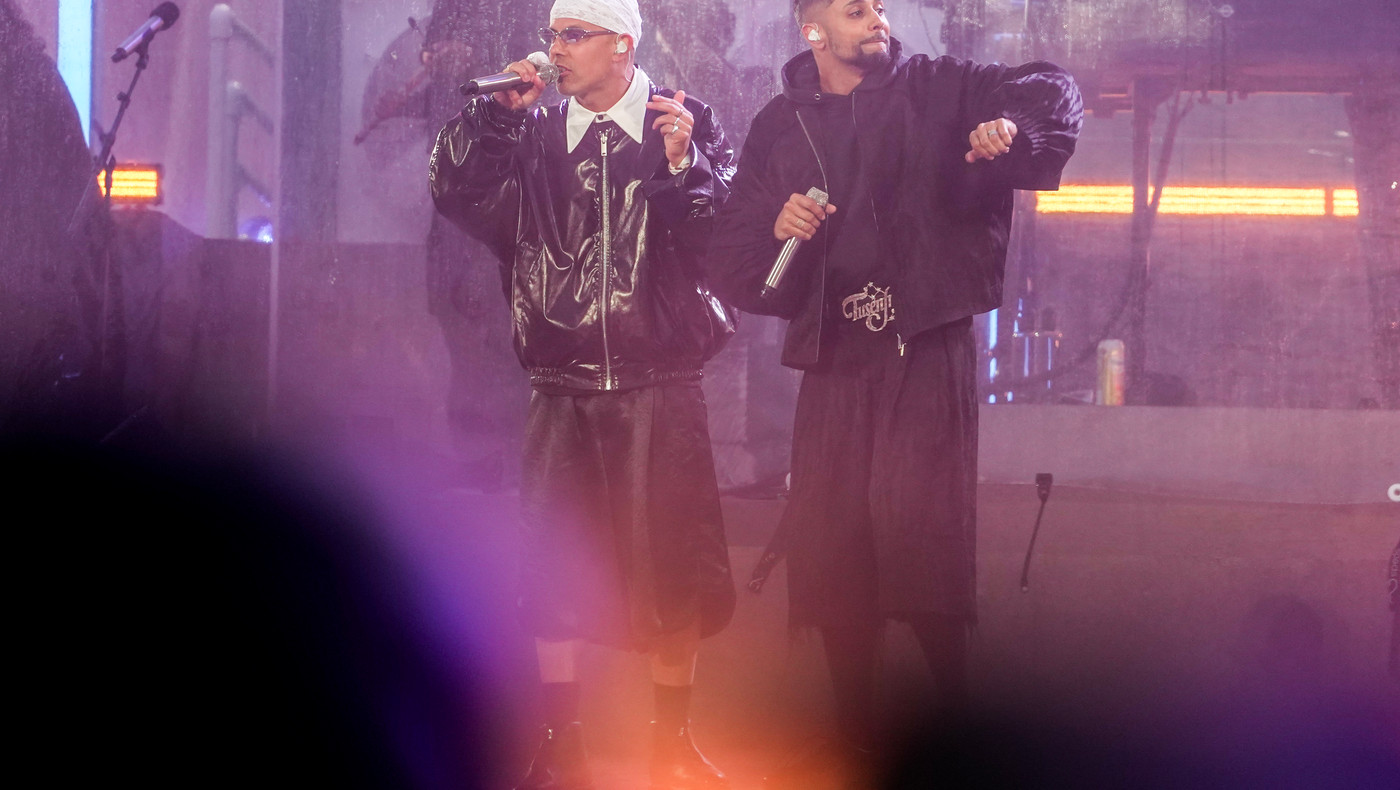
The duo Rohey Taalah & Martin Myhre Olsen provided the musical interludes with the songs Diamonds (Laura Myula), Both Sides Now (Joni Mitchell) og Bright Sunny South (trad.)
Photos in photogalleri by Linda Bournane Engelberth for Fritt Ord. Last 6 photos by Krister Sørbø for NRK.