New Oxford fellow – How Journalists Interview “Monsters and Victims”
VG journalist Håkon F. Høydal has been awarded Fritt Ord’s journalism fellowship at the Reuters Institute for the Study of Journalism at Oxford in the spring of 2026.
His project explores what journalists can learn from new trauma research when interviewing both “monsters and victims” in crime and abuse cases.
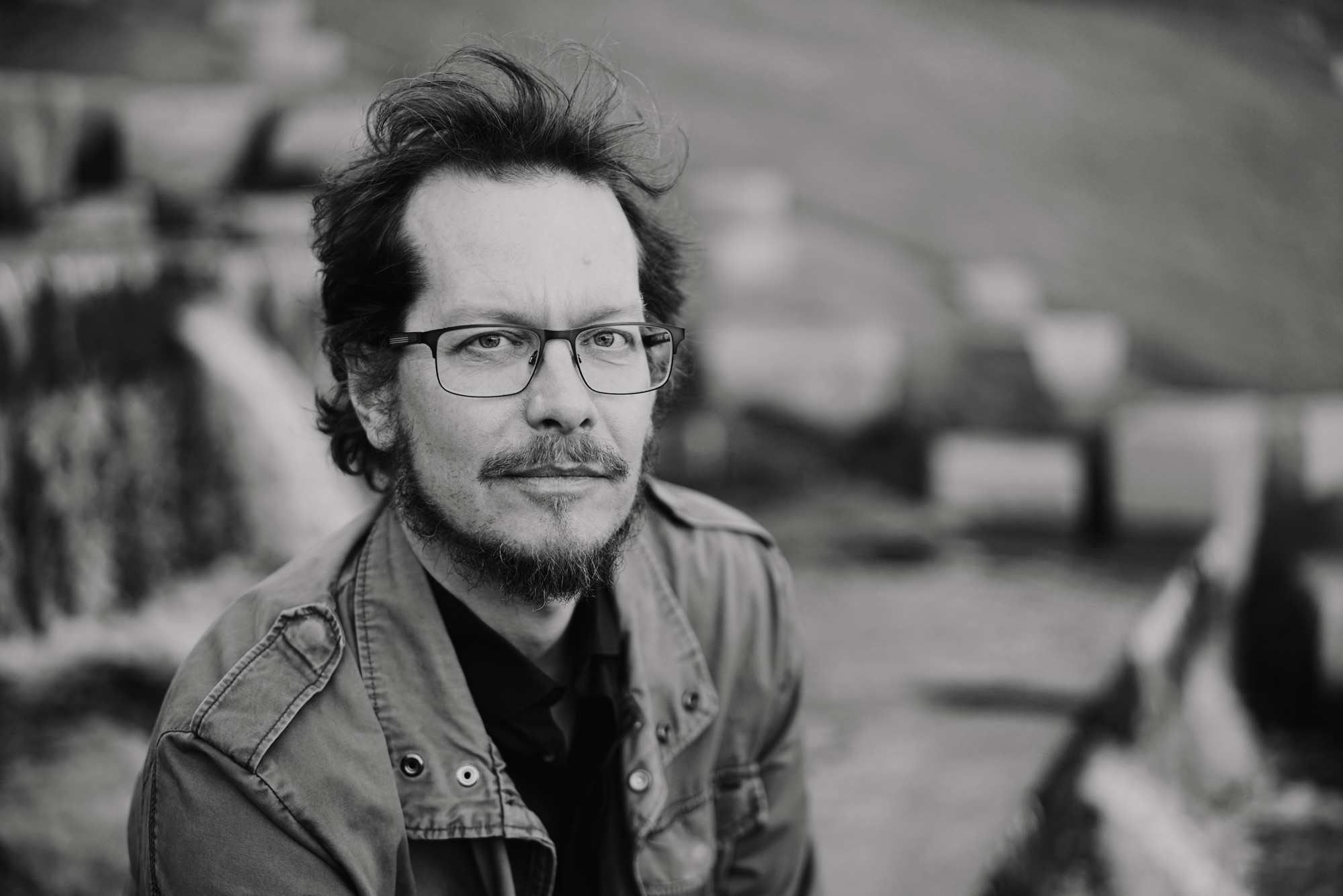
From January to July 2026, VG journalist Håkon F. Høydal will take part in an international fellowship programme with experienced journalists from around the world, supported by Fritt Ord. Each fellow works on a self-chosen research topic. Høydal’s project is titled “The Traumatic Knowledge – contacting ‘monsters’ and ‘victims’: What journalists interviewing survivors and perpetrators can learn from trauma research.”
“We journalists often have to relate to two very different groups, both deeply vulnerable: people who have been subjected to violence and abuse, and those who have committed violence and abuse. Yet news journalism has often resisted incorporating new research and knowledge about trauma—perhaps out of fear of seeming sentimental or subjective,” says Høydal.
“Fast-paced, event-driven journalism sometimes describes perpetrators as ‘monsters’. By doing so, we prevent the public from gaining a deeper understanding of how violence and abuse arise.”
An idea built on experience
Høydal has worked at VG since 2005 and has extensive experience with traumatized sources. It is on the basis of this experience that he is now heading to Oxford. The idea for his research project grew out of a long correspondence he has had with the convicted Canadian child abuser Benjamin Faulkner, known as “Warhead.” Faulkner ran one of the darkest websites on the “dark web” in 2017 and was sentenced to more than 35 years in prison in 2019.
“I’ve followed his process of change since his imprisonment,” says Høydal.
“In his first letters, he was convinced that what he had done was right. But gradually there came more self-insight and understanding of what he had done. He and I still disagree on some things, but we agree that it is important to understand more about what drives some people to commit violence and abuse,” says the journalist.

The method’s ethical dilemmas
Naturally, the method involves many ethical dilemmas: reliability, precision, interpretation—and whether it is ethically defensible for one inmate to interview other inmates.
“Discussing the ethical questions will be one of the most exciting parts,” says the VG journalist.
“It’s not easy material to work with,” Høydal explains. “When I read it last year, I became so dark in spirit that I had to put it aside and call a psychologist who works with similar topics, to ask if this reaction was normal.”
He said it was, and advised me to go for a walk in nature. It’s heavy material. At the same time, it’s fascinating, because it’s unfamiliar—and it feels important.
Høydal aims to explore whether information a perpetrator gathers from other perpetrators can contribute to new forms of insight, and how such results might compare to other interview methods.
Whether the result will become a book, a checklist, a set of recommendations, a teaching module, a “model interview,” or something else remains to be seen. He is thinking both nationally and internationally.
“It’s important to create something that can be incorporated into a busy newsroom, in all kinds of editorial settings,” he says.
Leaving breaking news – but hoping for visitors
Høydal is not exactly looking forward to leaving the daily investigative work of VG’s breaking news department.
“It’s an incredibly exciting place to work, professionally speaking. I get to work on several important stories—right now, for example, on what conflict lies behind the grenades that exploded in Oslo and Lillestrøm. Now I’ll have to put all that aside for a while. But I’m really looking forward to meeting other skilled journalists from around the world and working closely with them for half a year—and to having time to delve deeply into topics I find important, to try new methods, and to experience a university city like Oxford. I’m wildly excited about all of it. At the same time, I’m curious about how I’ll use my time.”
“I love skiing and skating—so what will I do in England in the winter? I’ve already looked into whether there are kayaking clubs, choirs, climbing groups, or similar things to keep me active.
I’m probably most curious about the living situation. I’m a middle-aged man used to my own and my wife’s company. It’s been many, many years since I lived in a dorm room. And I’m also curious about being my own boss,” he says.
Socially, it will be lively too—both family and friends have already said they’ll come visit.
“I’m in a reading circle, and our winter meeting is already set for Oxford!”