Launch party for NORWEGIAN JOURNAL OF PHOTOGRAPHY #2
We invite the public to a launch party for the second edition of the NORWEGIAN JOURNAL OF PHOTOGRAPHY (NJP) on Friday, 8 May 2015, at 6.00 p.m. at the Fritt Ord Foundation, Uranienborgveien 2 in Oslo, to celebrate all the photographers and to present their photo projects:
- Terje Abusdal: SUMMER LONG
- Ivar Kvaal: HESSDALEN VALLEY
- Anne-Stine Johnsbråten: EASTSIDE – WESTSIDE
- Knut Egil Wang: WHILE WAITING FOR THE BIG ONE
- Mathilde Helene Pettersen: SEARCHING FOR CLOUDBERRIES
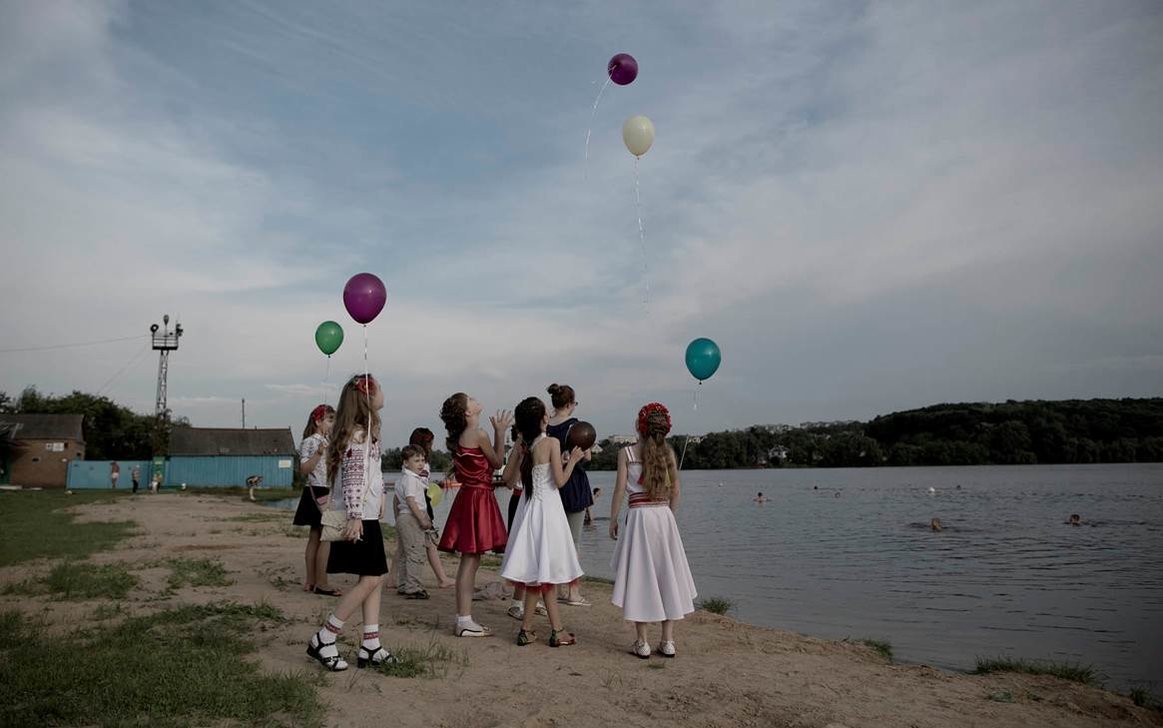
- Tomm Wilgaard Christiansen: THE BLOODLANDS
- Jonas Bendiksen: VESTERÅLEN
- Margaret M. de Lange: INVISIBLE SCARS
Programme for the evening:
- Welcome by Bente Roalsvig, Project Director, Fritt Ord Foundation
- Introduction by Rune Eraker, Laara Matsen and Espen Rasmussen, editors of NJP
- Presentations of the independent photo essays by the photographers
- About the book, by Gösta Flemming, publishing editor at the photo book publisher Journal
- Unveiling and unpacking of the books
- Musical interval and light refreshments
- Announcement of the new group of photographers selected for the third edition of NJP
The event is open to the general public.
Welcome!
The Fritt Ord Foundation, the Norwegian Journal of Photography and the publisher Journal
EXCERPTS FROM NORWEGIAN JOURNAL OF PHOTOGRAPHY #2:
“The diverse projects in this issue demonstrate how the search for objective truth cannot escape the filters of subjective perception. Ironically, however, the more idiosyncratic the vision, the more universal its truth can be. By embracing sophisticated and distinctive approaches to the creation of images, the photographers in this volume compel us consider the world around us, as well as ourselves, in a more profound way than we might have without the benefit of their talents.”
– from the essay SUBJECTIVE REALITY by James Estrin, photographer and picture editor, the New York Times.
“The Bloodlands is an area of Europe that extends from Lithuania in the north to Ukraine in the south and where decades of conflicts have caused inconceivable suffering among the local populations. Most of these pictures have been taken in Berdychiv, a small town about 300 kilometres south of Kiev. I used to think that the Bloodlands were simply a geographical area. However, I now understand that it is also a state of mind.”
– from the photo series THE BLOODLANDS by Tomm Wilgaard Christiansen, from which the photographs has been excerpted.