Power Shifts
The Fritt Ord Foundation and the Norwegian Polytechnic Society invite the public to three meetings at the House of Literature at Wergelandsveien 29 in Oslo. The meetings will be held on Tuesdays, i.e. 5, 12 and 19 October 2010, from 7 to 9 p.m.
The series of meetings entitled Power shifts will consist of the events Global trends, EU – What now? and The Road Ahead for Norway. Global financial and political power structures are in flux. Which new constellations are emerging? What opportunities are arising? This debate series will turn the spotlight on the consequences of those changes for the world, Europe and Norway.
Tuesday, 5 October: Global trends
Globalisation is not only shifting the world’s financial centres of gravity, it is creating new political and cultural conflicts. Can international institutions and relations take the pressure?
The panellists:
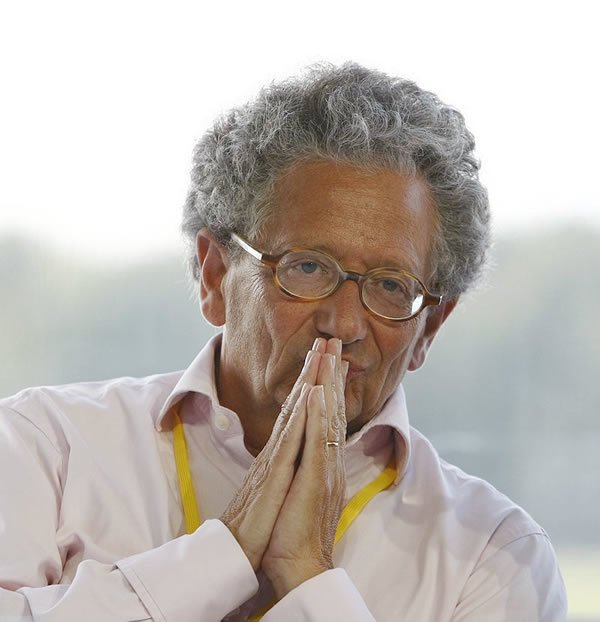
Dominique Moïsi, Special Adviser at the Institut Francais des Relations Internationales (IFRI)
Jonas Gahr Støre, Norwegian Minister of Foreign Affairs
Moderator: Sverre Lodgaard, President of the Norwegian Polytechnic Society and Senior Researcher at the Norwegian Institute of International Affairs (NUPI)
The meeting will take place in English.
Tuesday, 12 October: EU – What now?
Most European countries are struggling with financial crises, welfare systems under pressure and aging populations. Will the EU be revitalised, and assume a central position in a more widely diverse world order?
The panellists:
Wolfgang Munchau, Commentator in the Financial Times
Teija Tiilikainen, Director of the Finnish Institute of International Affairs
Øyvind Østerud, Professor of Political Science at the University of Oslo
Moderator: Sten Inge Jørgensen, Journalist at Morgenbladet
The meeting will take place in English.
Tuesday, 19 October: The Road Ahead for Norway?
What consequences will the global power shifts have on Norway? How can we accommodate those challenges? Will a continuation of the EEA agreement seem possible and advisable? What alternatives does Norway have?
The panellists:
Per-Kristian Foss, former Minister of Finance, now MP for the Conservative Party
Liv Monica Stubholt, former state secretary in the Ministry of Foreign Affairs and Ministry of Petroleum and Energy for the Centre Party, now a Director at Aker Clean Carbon
Anette Trettebergstuen, MP for the Labour Party
Fredrik Sejersted, Professor of Law and Chair of the EEA Committee
Moderator: Jon Hippe, General Manager of the FAFO Research Foundation