Memoriupol. Film screening and discussion with Platform Tu.

4. desember 2022

Join us for the screening of short films and discussion dedicated to raising awareness to the city of Mariupol at Kunstnernes Hus on December 5 at 20:00.
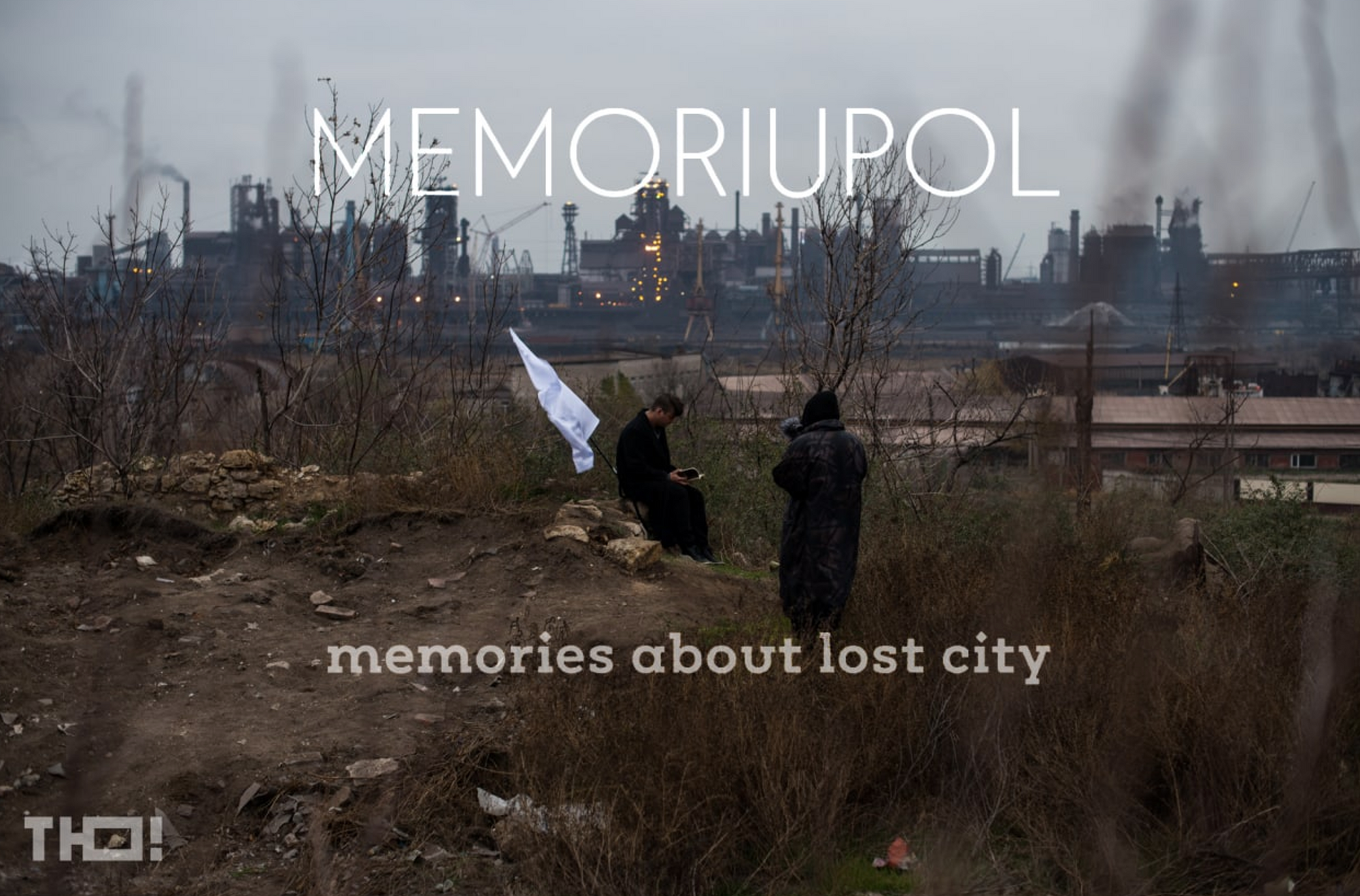
Russian troops surrounded the Ukrainian port city in the first days of the full-scale war and have been besieging it for three months. The city is now largely destroyed; many residential buildings are no longer habitable. Now the city is occupied.
On the 5th of December, we take a look into the rich, diverse, and intercultural history of this city – which was mainly unknown to many Western Europeans before the beginning of the war. We dive into contemporary arts, various urban communities, the industrial and cultural heritage.

Films shown are directed by various Ukrainian professional and emerging filmmakers with Platform TU between 2021 and 2022: They tell stories of everyday life, dreams about the future and the past, and realities of the war. Platform Tu was an independent art space in Mariupol between 2016-2022, aimed at promoting human rights and freedoms through grassroots culture, local activism, and modern arts and building a community of young creative, and open-minded people.

The participants of the discussion – the team of art-platform Tu (Mariupol, Ukraine), managed to escape the besieged city and survived the blockade. You will be able to talk to real people who faced the atrocities of this war and the russian genocide of Mariupol city.

Participants – the team of Platform Tu: Diana Berg, coordinator; Vira Protskyh, communication manager; Anastasiia Hrechkina, youth projects manager.

Introduction: 10 minutes
Movies screening: 45 minutes
Q&A: 30 minutes
Discussion: 30 minutes
Total timing: 120 minutes

Time: December 5 2022 kl. 20:00–22.00
Place: Kunstnernes Hus kino (House of Artists Cinema), Wergelandsveien 17, Oslo

Nyheter

Lyra Valentina Hope, Qianbao Tu, Daniil Zorin og Selma Bratberg.

Krig, sensur og algoritmer – masterstipender 2026

7. august 2026

Kan man ytre seg fritt når man ikke engang har språk til å fortelle sin egen historie? Det spør Qianbao Tu i dokumentarfilm om kinesiske industriarbeidere. Daniil Zorin bruker animasjon for å gi en russisk krigssoldat en stemme. Selma Bratberg undersøker studentaktivister i Zimbabwe i motstand mot autokratisering og Lyra Valentina Hope avdekker hvordan høyreekstreme ideologier spres til unge menn gjennom tilsynelatende ufarlig innhold på TikTok.

Les om prosjektene som har fått masterstipend høsten 2026.

Gard Steiro, Xueqi Pang, Tellef Raabe, Ammal Ahmed Haj Mohamed, Guro Lindebjerg , Eivind Ljøstad, Janne Johannessen og Kjersti Sortland.

Fritt Ord på Arendalsuka: Mediene i KI – og Hvem slipper til i media

2. juli 2026

Fritt Ord er på Arendalsuka i august: Hvilke stemmer slipper til i mediene? Og hvordan endrer kunstig intelligens journalistikken? Mandag 10. august tar Fritt Ord disse to debattene til Bystyresalen i Arendal med to samtaler om medienes fremtid:
Kl. 14.30: «Hvem kommer til orde i norske medier?»
Kl. 16.30: «KI og veien videre for mediene»
Med VGs Gard Steiro og Xueqi Pang, Stavanger Aftenblads Kjersti Sortland, DNs Janne Johannessen, Fædrelandsvennens Eivind Ljøstad og Retrievers Guro Lindebjerg samt Fritt Ords Tellef Raabe, Ammal Ahmed Haj Mohamed og Joakim Lie.

Se debattene i opptak her

Fritt Ords journaliststipend i Oxford – The Fritt Ord Journalism Fellowship 2027

1. juli 2026

Stiftelsen Fritt Ord lyser ut et halvårig journaliststipend ved Reuters Institute for the Study of Journalism ved universitetet i Oxford, England, med studiestart i januar 2027.

Søknadsfristen for studieoppholdet som starter januar 2027, er 1. september 2026, kl 12.00 (på dagtid).

Les om prosjektene til tidligere fellower.

Uro under en stabil overflate?: Lansering av en ny undersøkelse om befolkningens syn på ytrings- og informasjonsfrihet

17. juni 2026

Stiftelsen Fritt Ord og Institutt for samfunnsforskning inviterer til rapportlansering og samtale mandag 8. juni 2026 kl. 9.00–11.00 i Fritt Ords lokaler i Uranienborgveien 2, Oslo.

Hvor trekker folk grenser for ytringsfriheten og hva mener de er de største truslene mot en opplyst debatt i en tid preget av uro, kriser og internasjonale konflikter? Synes de meningsmangfoldet er stort nok og takhøyden tilstrekkelig? Og hvordan vurderer folk tilgangen til sannferdig og relevant informasjon i et medielandskap med nye formater og stemmer og kunstig intelligens?